Community & Collaboration
Some of the most meaningful learning connected to the library happens beyond the walls of the space itself. Community experiences give students a chance to see how reading, inquiry, creativity, and leadership connect to real people and real opportunities.
These partnerships and outreach moments grow from noticing student interests, building relationships, and looking for ways to extend learning in authentic directions. Sometimes that means bringing families into the library, and other times it means students stepping out into the community to represent our school through literacy, problem-solving, and collaboration.
What connects all of these experiences is the idea that the library is not just a place students visit. It is a place that prepares them to participate confidently in the world around them.
Family Literacy Engagement: Designing Meaningful Opportunities for Connection
Family engagement in the library is about more than hosting an event. It is about creating spaces where students and families feel welcome, connected, and proud of their learning.
This year, I designed Literacy Quest: A Family Literacy Night Adventure, a multi-station experience that invited families into the library through reading, conversation, creativity, and community resources. Although the event was canceled due to weather, the planning materials, partnerships, and station designs reflect how the library intentionally builds opportunities for inclusive, literacy-centered, community-connected family engagement.
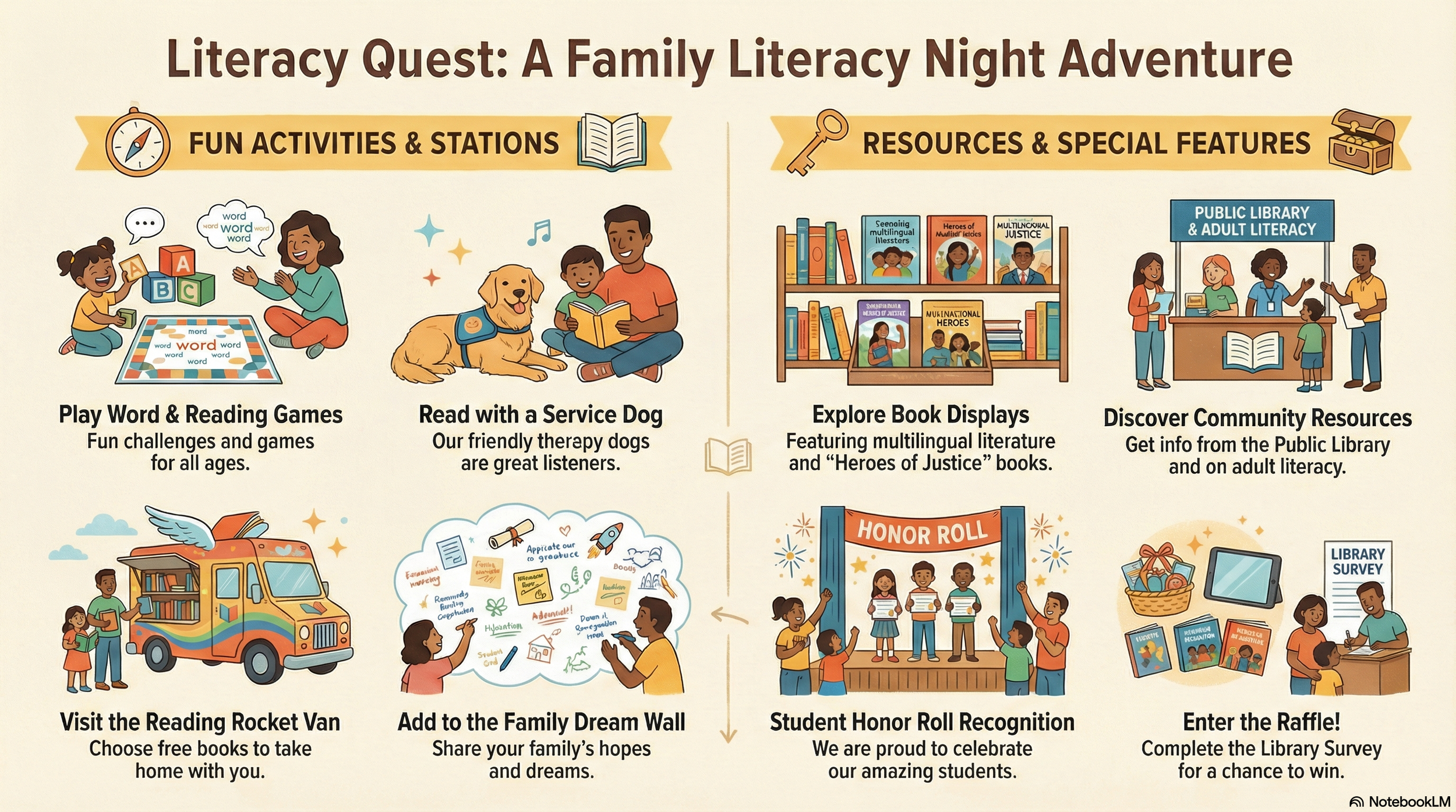
The event was designed around interactive stations, including:
Word and reading games for all ages
The Reading Rocket book giveaway
Read with a therapy dog
A Family Dream Wall for sharing hopes and goals
Multilingual and “Heroes of Justice” book displays
Community partnerships with Mid-Continent Library and Literacy KC
Student recognition and library ownership activities
Each station was intentionally designed to support literacy, representation, access, and meaningful connection between home and school. This work reflects how the library plans experiences where families are not just visitors, but active participants in their child’s learning. The planning, materials, and partnerships developed for Literacy Quest now serve as a reusable framework for future family literacy events and classroom engagement opportunities.
View the event planning materials:
Newsletter blurb + Table station signs used to guide families through activities
Family Literacy Night program overview
Family Literacy Engagement
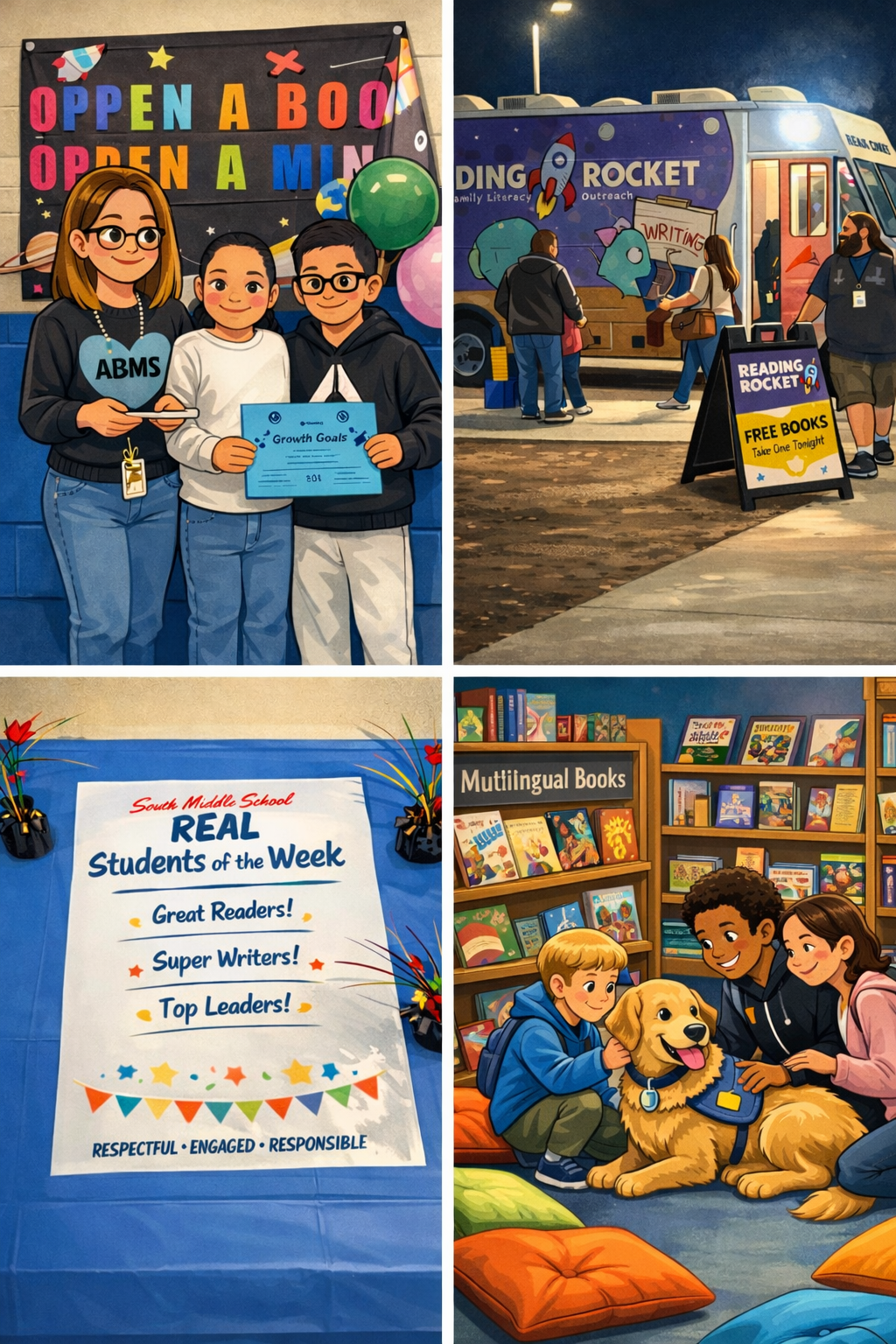
Why This Matters
Designing this event required:
Coordinating with community partners
Creating inclusive, multilingual book displays
Building interactive literacy experiences for varied age groups
Connecting student voice, family voice, and community resources
Positioning the library as a welcoming hub for families
The materials from Literacy Quest now serve as a reusable framework for future family literacy events and classroom engagement opportunities.
National Read Aloud Day — Student Leadership in Action
For National Read Aloud Day, sixth grade library aides visited a local Pre-K classroom to share picture books and a small themed give-away connected to each story.
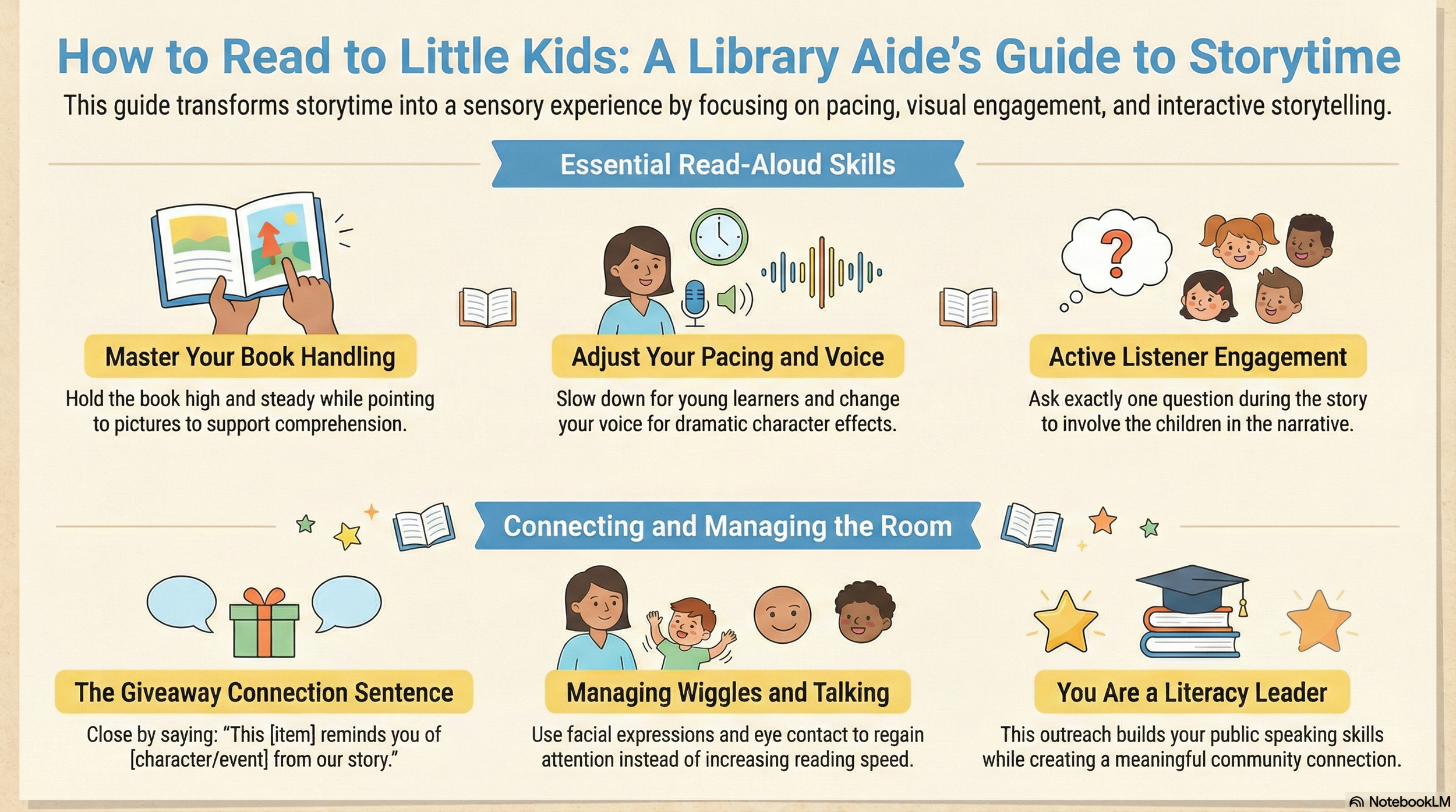
Before the visit, aides participated in a focused training during their library aide time where they learned how to adjust their reading style for young listeners, how to hold and present a book so illustrations were visible, how to pace their reading for comprehension, and how to engage children with purposeful questions during the story.
What began as a simple read-aloud became an authentic leadership experience. Aides practiced slowing their pace, using expression, making eye contact, and connecting their give-away item directly to the story as a memory anchor for students.
During the visit, aides read with confidence, interacted naturally with students, and represented our school in a positive, community-centered way. The Pre-K students were engaged, responsive, and excited to receive a small bookmark, sticker, or button tied directly to the story they heard.
This experience reinforced that reading is joyful, social, and meant to be shared across age levels.
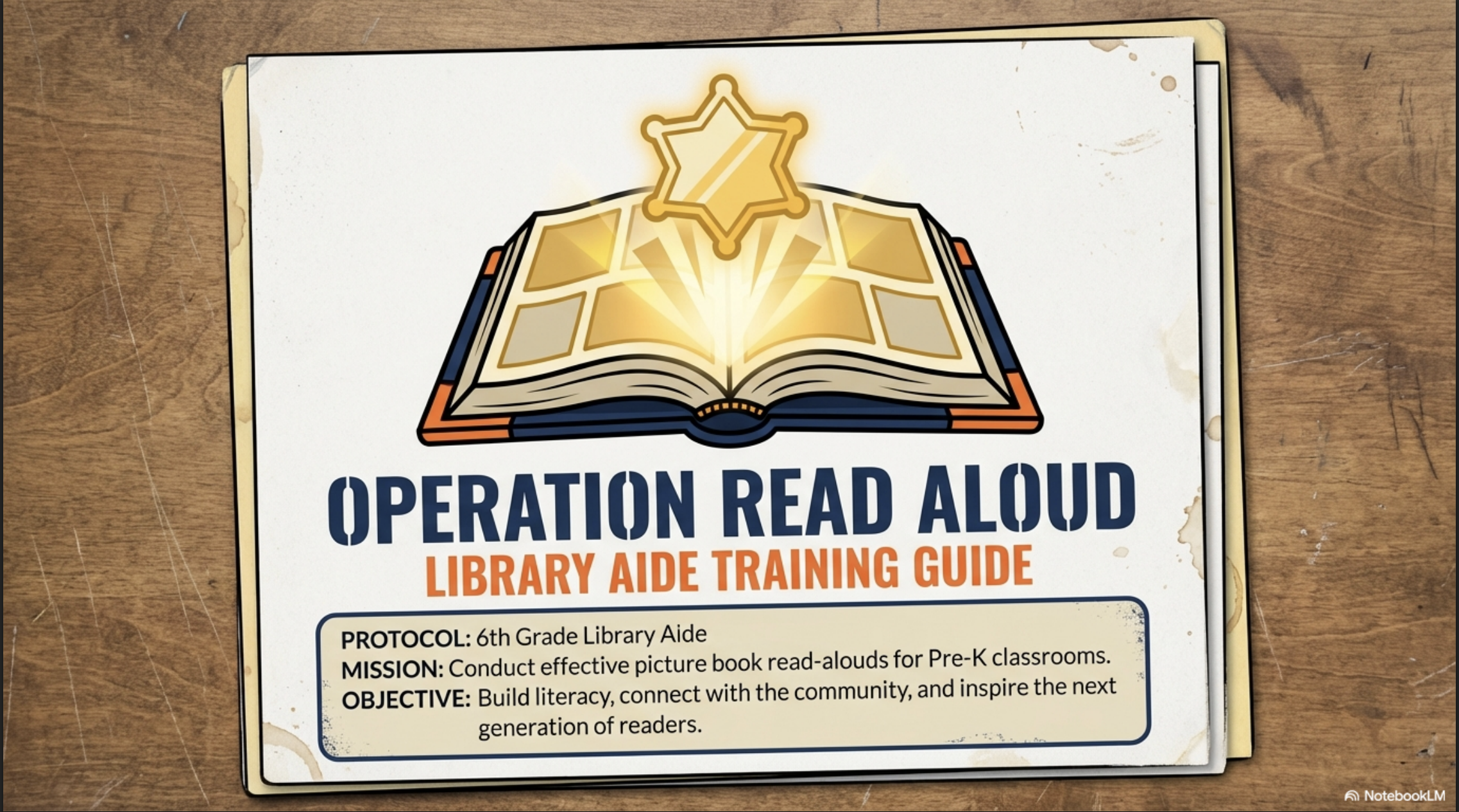
Student Training Materials Used to Prepare Aides for Community Read-Alouds
Why This Matters
This experience reflects how the library builds student leadership while promoting literacy beyond the walls of our school.
Students practiced:
Public speaking and presentation skills
Audience awareness and communication
Literacy leadership and responsibility
Community connection through reading
By intentionally preparing students before the visit, the library helped them see that reading aloud is a skill, a performance, and a way to connect with others through stories.
This training guide and practice sequence are now part of how library aides are prepared for any future community read-aloud opportunities.
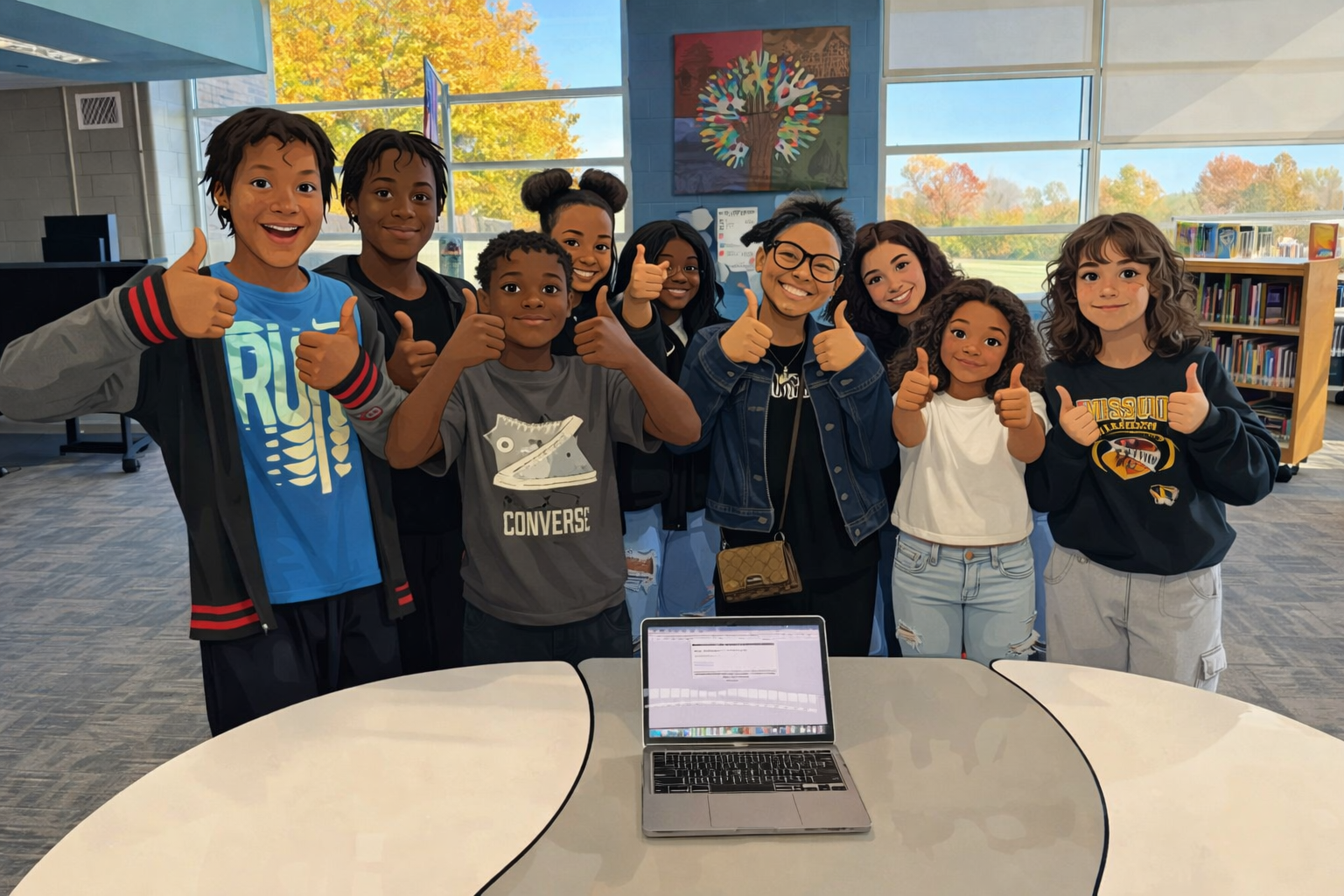
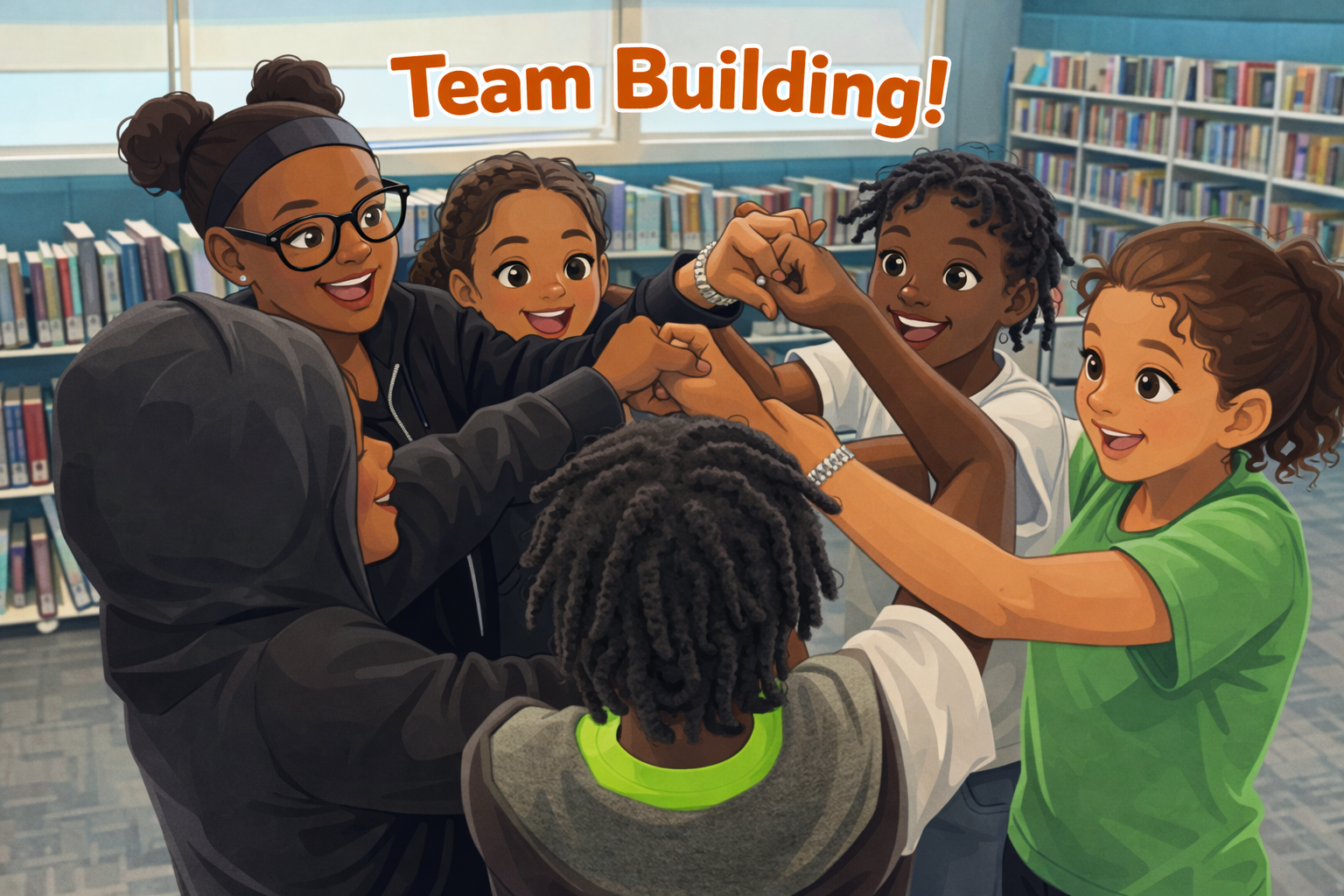
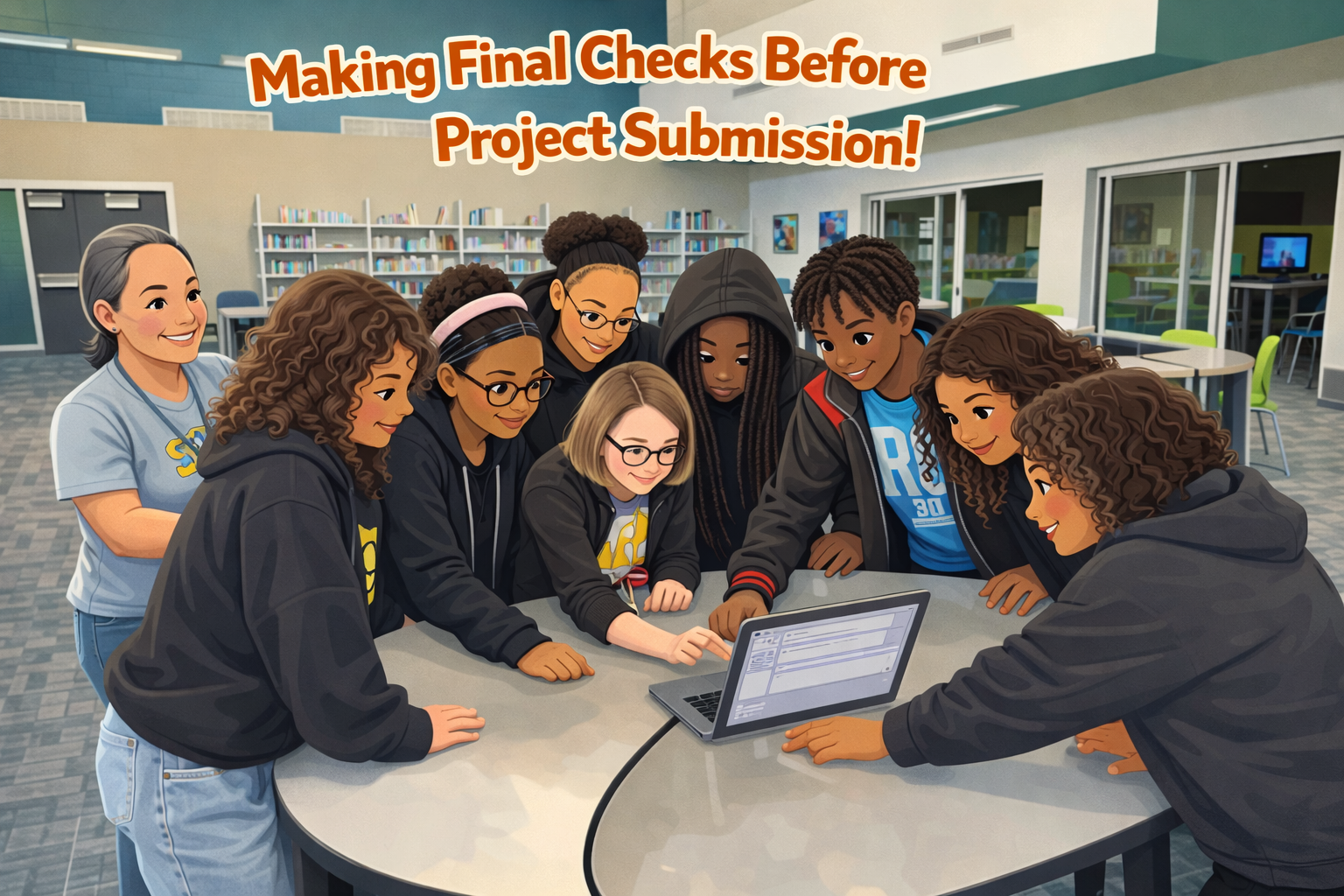
ABMS Battle of the Brains Team all smiles after submitting final project for the 2025 competition. Job Well Done!
Battle of the Brains 2025
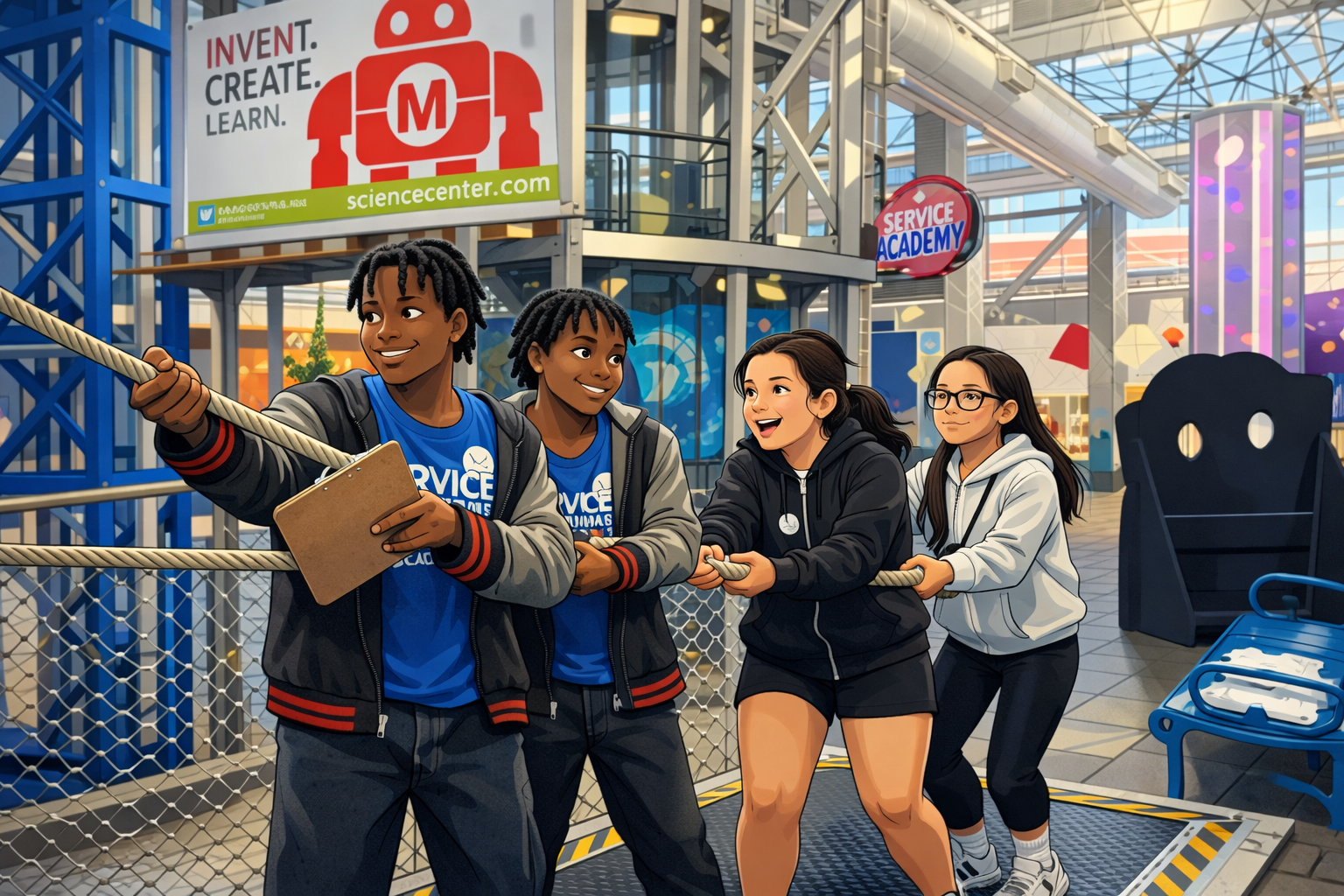
I assembled and coached a team of Alvin Brooks students for Battle of the Brains, a regional design challenge hosted by Science City that invites students to imagine, plan, and present original ideas for real museum experiences.
This opportunity was not part of a class or required program. It grew from noticing students who were curious, creative, and ready for a challenge beyond the school day. I brought the team together, guided them through the design process, and helped them learn how to move an idea from conversation to a structured, presentable concept.
Students worked through brainstorming, research, sketching, model-building, and presentation planning. They learned how to listen to one another’s ideas, revise their thinking, and communicate clearly as a group. Much of the work centered on persistence, problem-solving, and collaboration as they refined their concept over time.
Through this project, students experienced what it feels like to take ownership of an idea and see it develop into something tangible. They practiced explaining their thinking, responding to questions, and presenting their work in a professional setting.
Programs like Battle of the Brains allow students to apply literacy, inquiry, creativity, and STEM learning in a real-world context. These experiences reinforce that the makerspace and library are places where ideas can grow into meaningful opportunities beyond the school walls.
Girls in Tech at Oracle KC
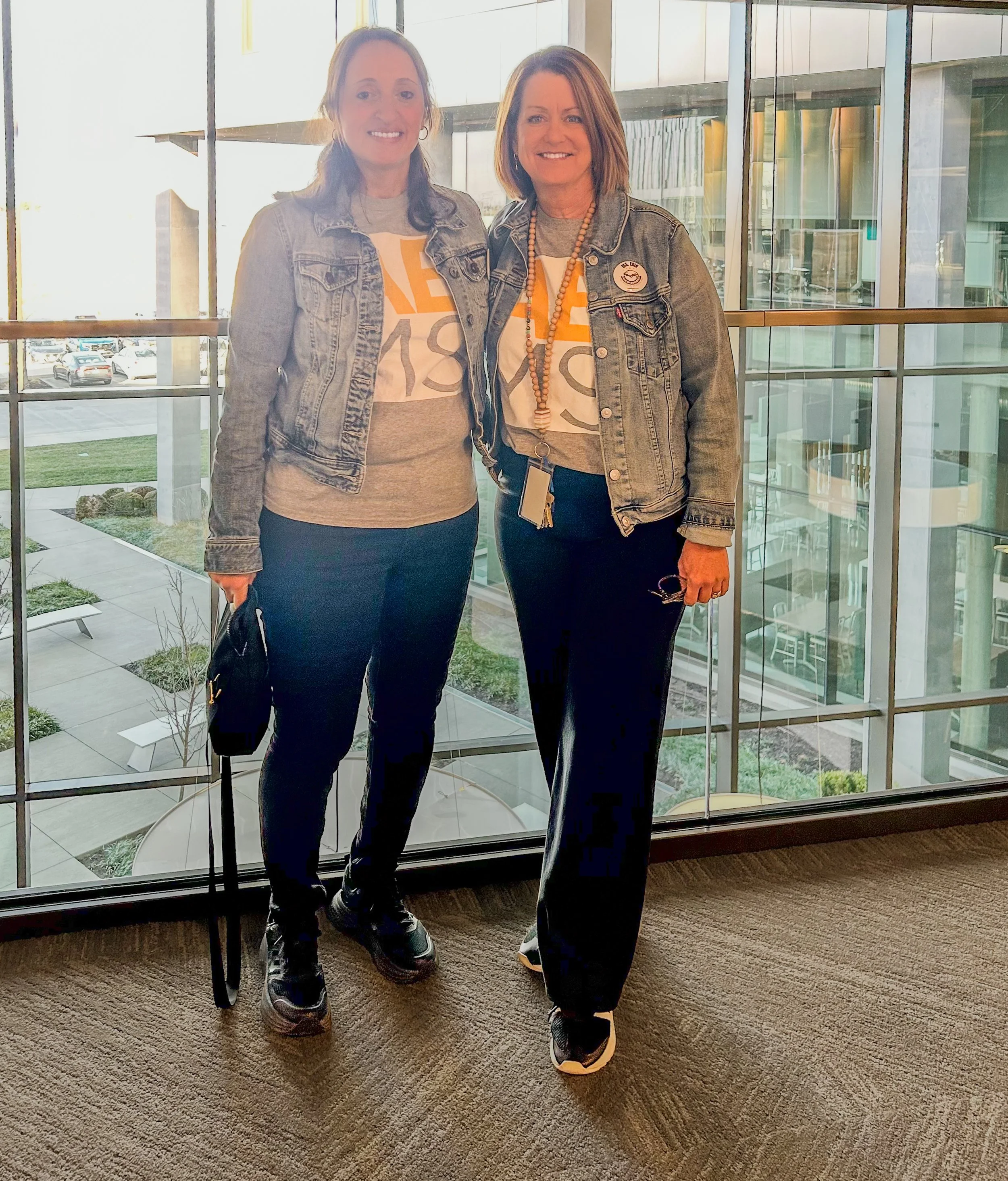
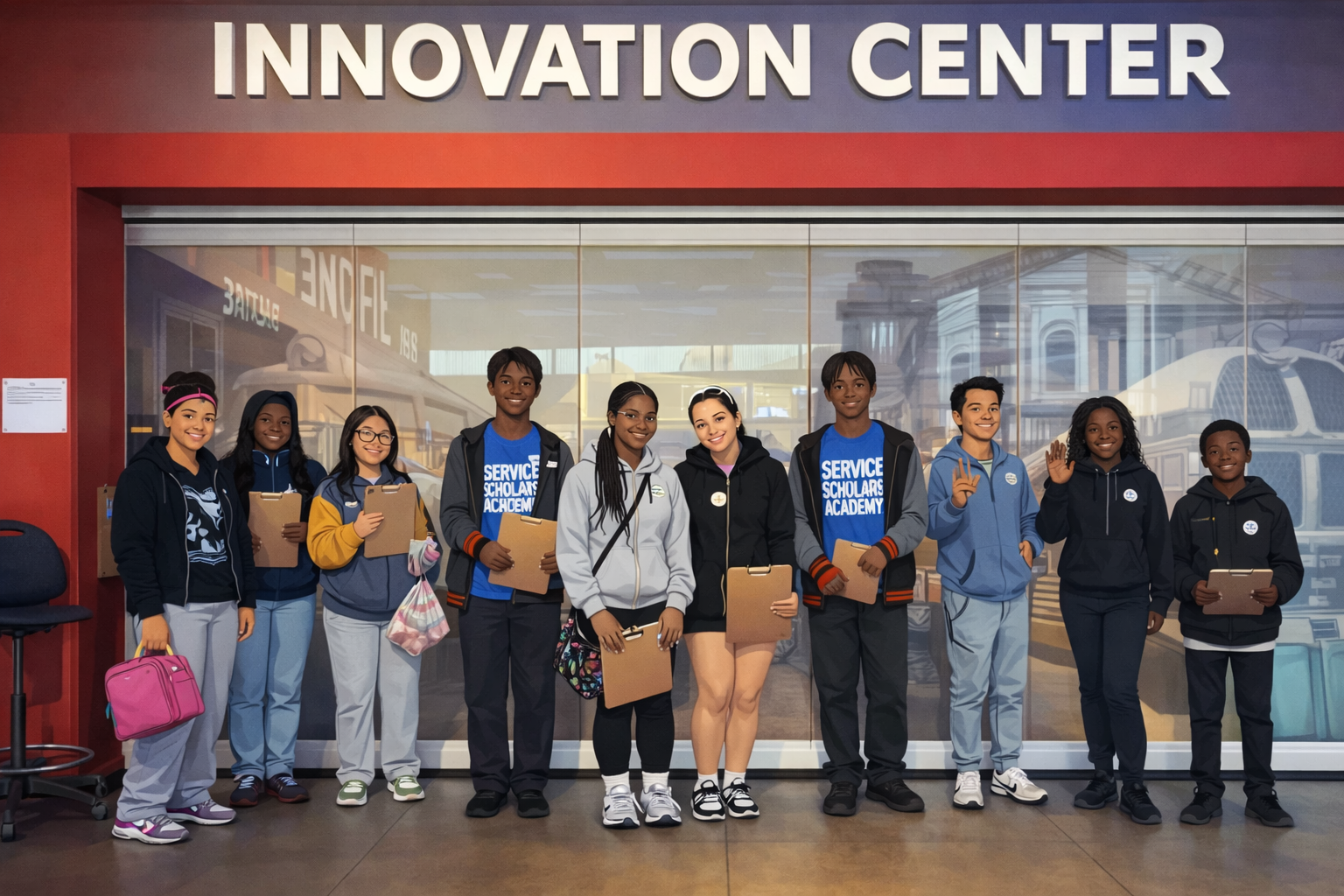
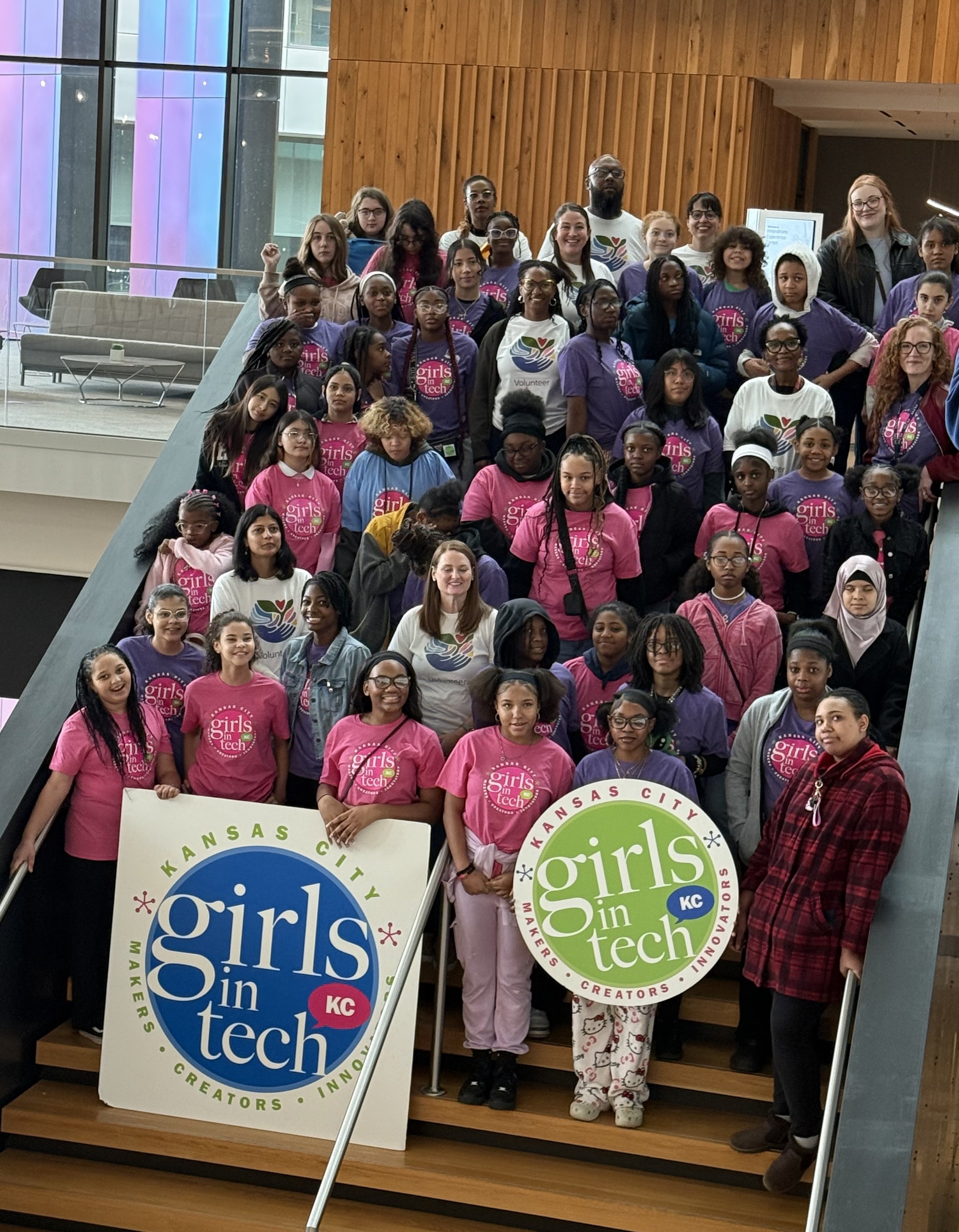
reached out to staff and administrators to assemble a group of Alvin Brooks students to participate in Girls in Tech, a regional event designed to introduce students to careers, tools, and pathways in technology through hands-on experiences and interaction with professionals in the field.
This opportunity was not part of a class or required program. It grew from noticing students who were curious, capable, and ready to see how their interests in problem-solving and creativity connected to real opportunities beyond the school day. I coordinated the group, prepared them for the experience, and helped them think about how to engage with the sessions in meaningful ways.
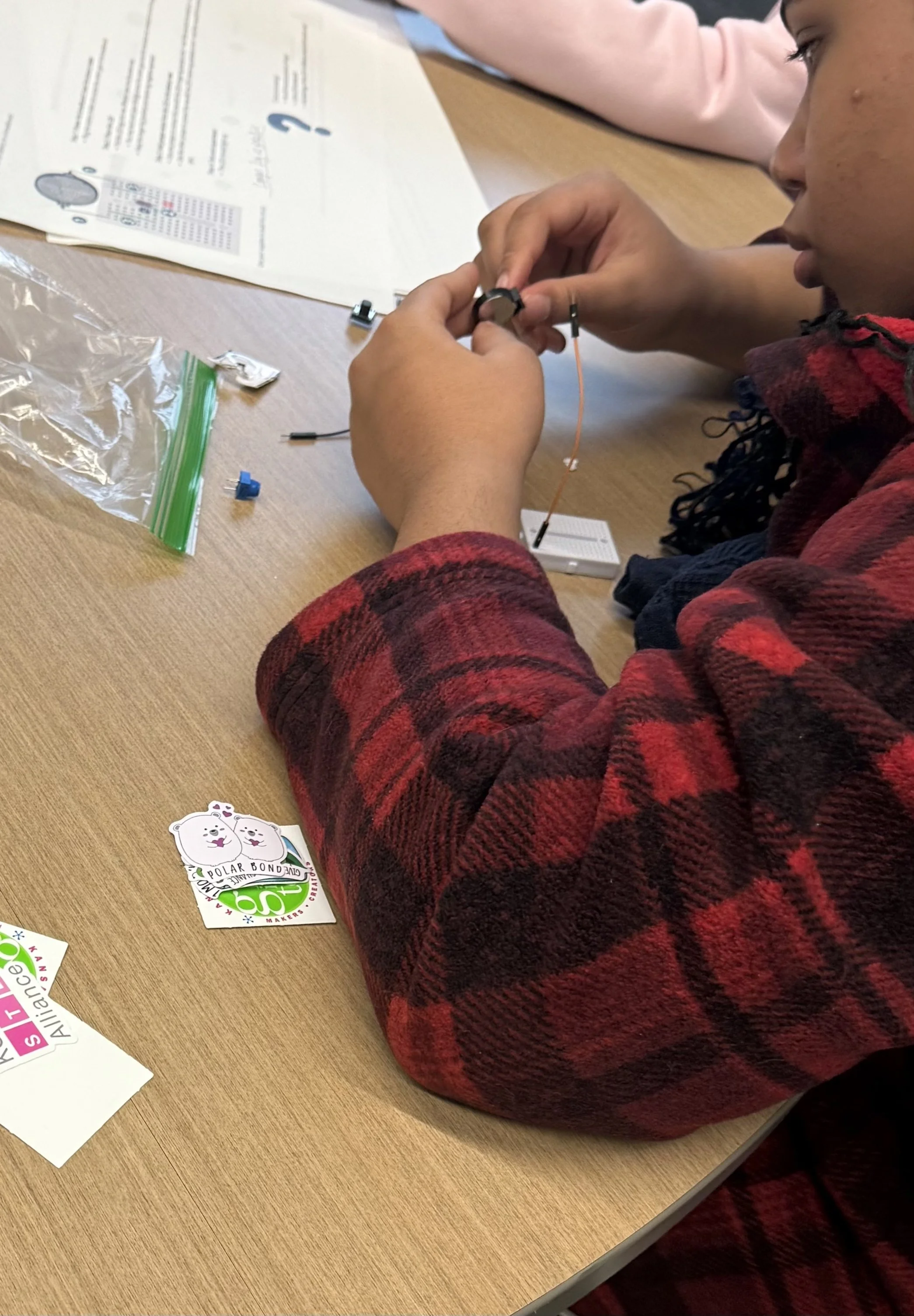
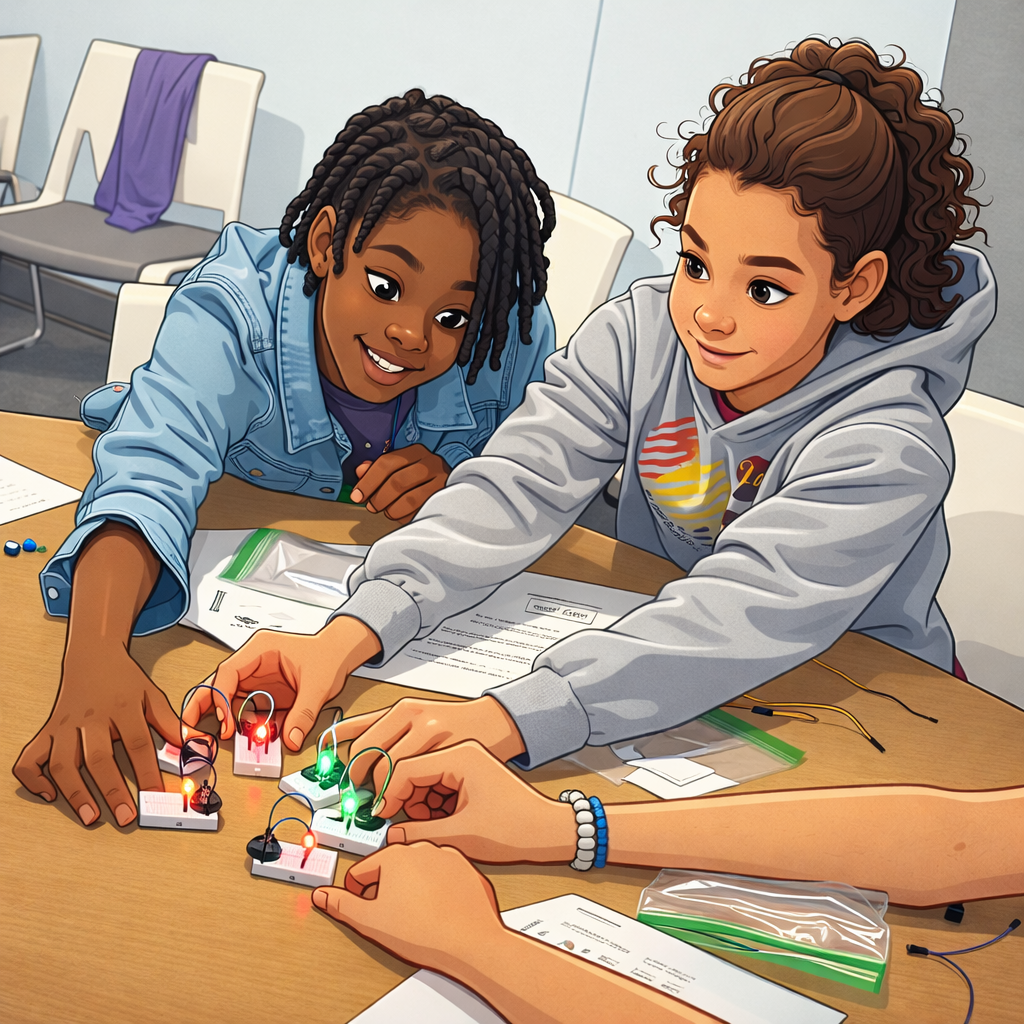
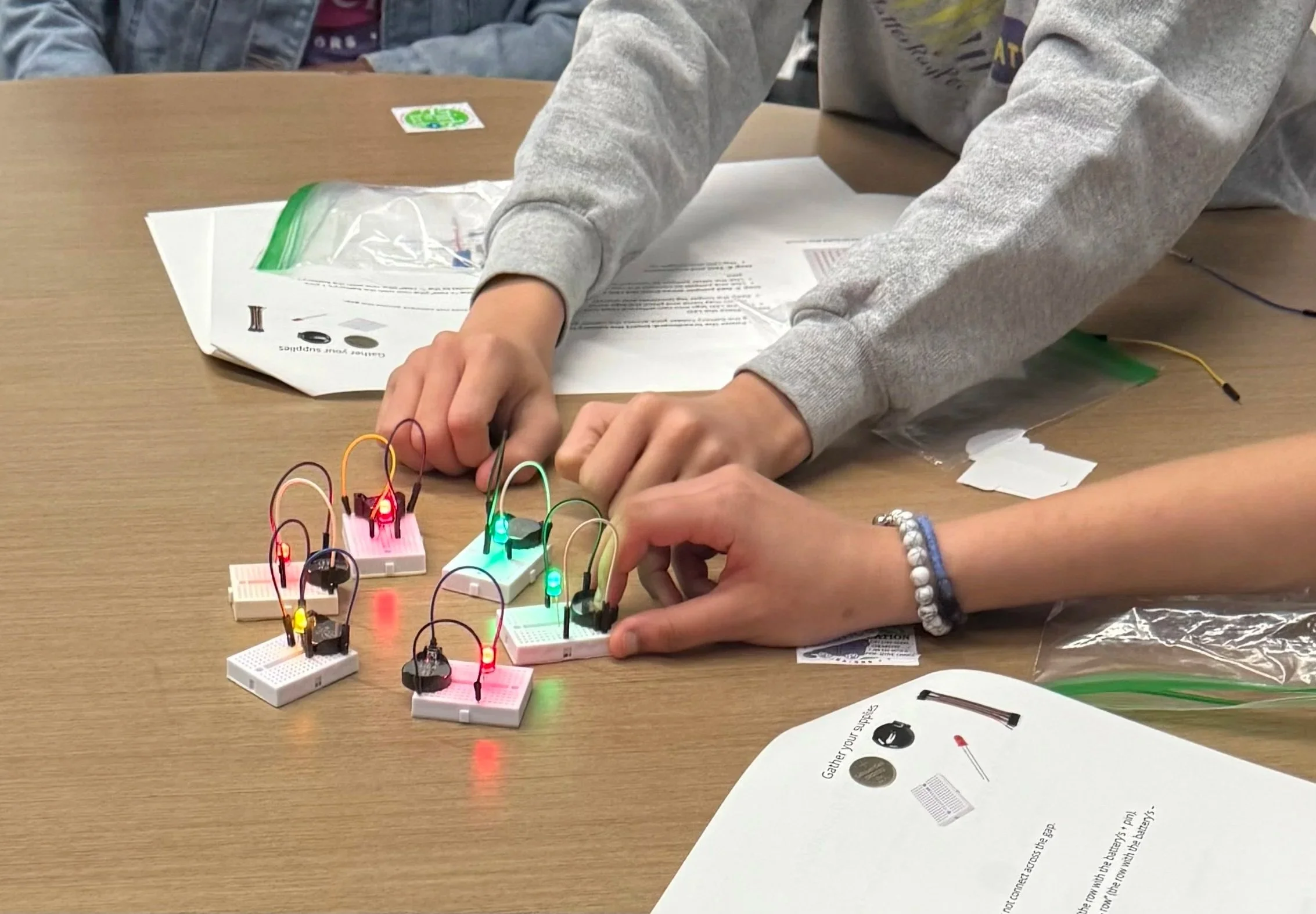
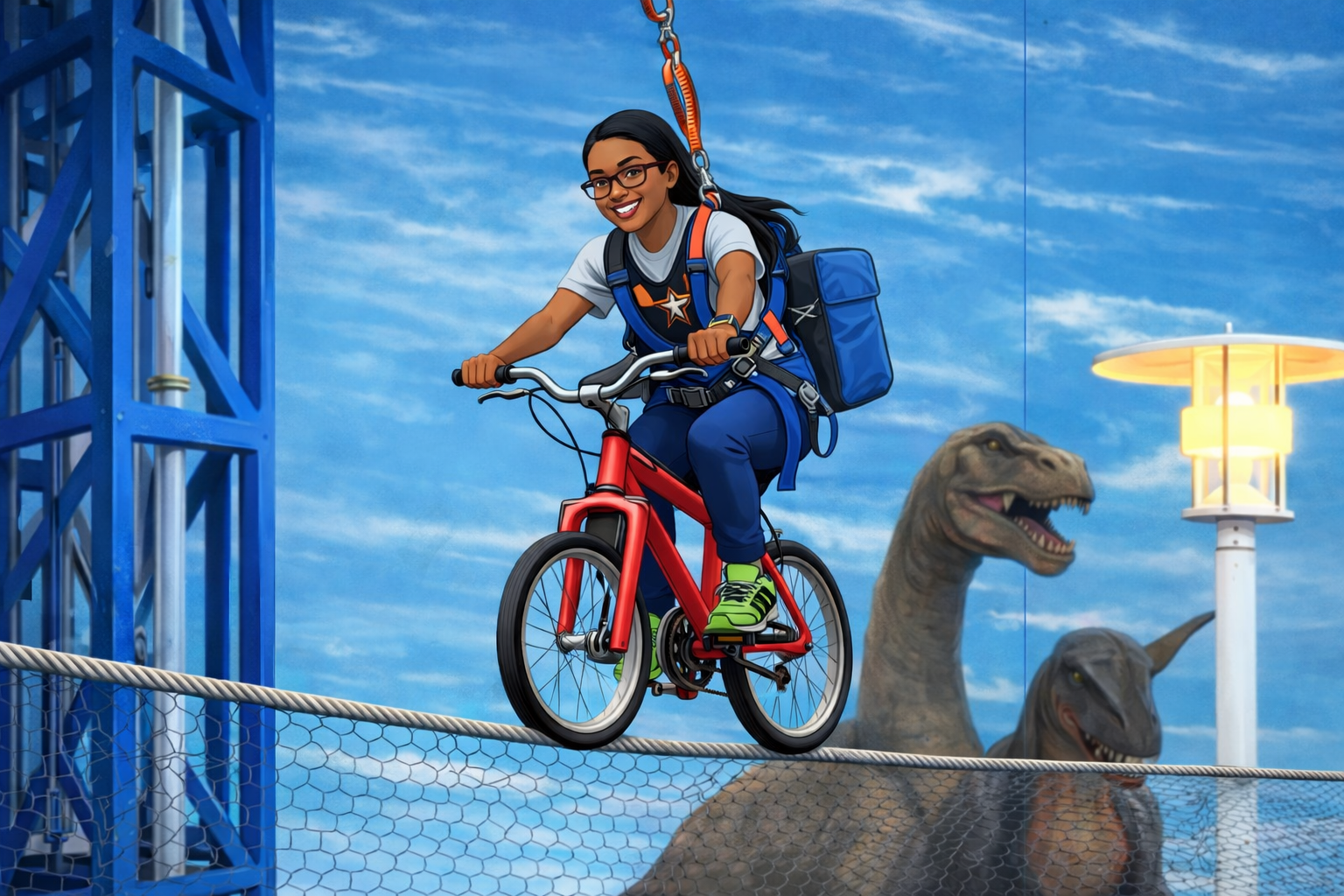
Throughout the event, students explored technology through workshops, demonstrations, and conversations with industry professionals. They asked questions, tried new tools, and began to see themselves as people who could belong in technical and innovative spaces.
Experiences like Girls in Tech help students connect the thinking they practice in the library and makerspace to real careers and real people. They leave with a clearer understanding that curiosity, persistence, and creativity have a place beyond school.
These opportunities reinforce that the library and makerspace are not only places for learning skills, but places where students begin to see what those skills can lead to.