Reading & Literacy
Reading and literacy are the focus of everything we do in the library. I want students to see themselves as readers and to feel like reading is something they can do, not something meant for someone else.
Students come in with all kinds of reading histories. Some already love it. Others are still figuring out what works for them. In the library, they have time, access, and choice so they can find books that feel right for where they are.
Book talks, genre exploration, recommendations, and everyday conversations help students build reading habits. These moments give students a chance to try new things, talk about what they are reading, and return to a book when the first pick does not stick.
I pay attention to small signs of progress. Sometimes it is a student finishing a book for the first time in a while. Sometimes it is a student looking for the next one right away. Those moments signal real growth.
Equitable Access to Reading
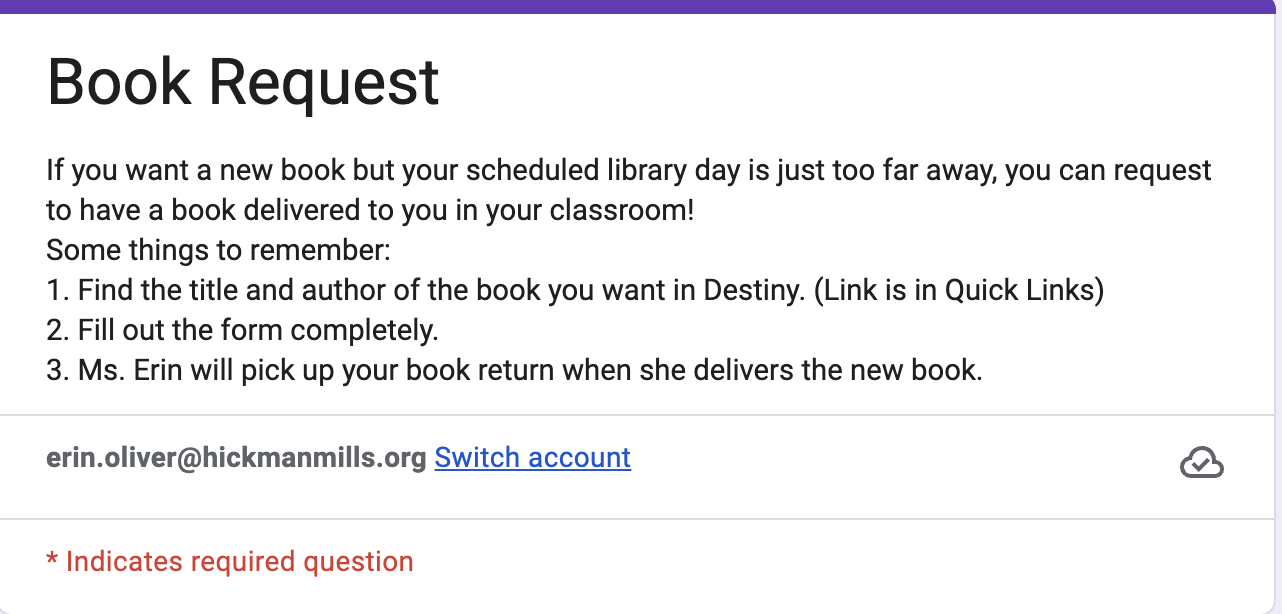
Students at Alvin Brooks Middle School visit the library with their ELA classes every other week. Early on, I noticed that when a student was absent or a class schedule changed, that missed visit often meant waiting two more weeks for a new book. For many students, that gap was enough to break reading momentum.
To remove that barrier, I created a simple book request system inside Google Classroom, where every student is already enrolled. Students can search the Destiny catalog, place a request, or ask for reading suggestions if they are unsure what to choose. A short screencast helps students who need a refresher on how to navigate the catalog.
Because we prioritize student safety and protected learning time, I check out requested books and deliver them directly to classrooms instead of having students travel the halls during class. This small adjustment makes a big difference. Access to books no longer depends on perfect attendance, confidence in choosing a title, or being in the library on a specific day.
Designing flexible access like this helps protect reading momentum and ensures that every student has a reliable path to books, regardless of circumstance.
Building a Reading Culture
Building a reading culture starts with habits. I pay attention to how students talk about books, how they choose them, and what helps them keep reading.
Student library aides are an important part of this. They act as reader advisors, recommend books, talk with classmates about what they are reading, and help students who are not sure where to start. Their input shapes book displays, recommendations, and how the library feels to other students.
I make space for informal conversations about reading throughout the day. Students stop by to return a book, ask for another recommendation, or share that they did not finish something and want to try again. Those moments matter. They help students see reading as flexible, personal, and ongoing
Access is essential to reading culture. Students need to see books that reflect their interests, experiences, and identities. They also need options that feel approachable. When students can find themselves in the collection, they are more willing to take risks as readers.
Celebration helps sustain this culture. School-wide reading challenges and participation-based celebrations make reading visible and valued. They recognize effort and persistence and reinforce the idea that reading is worth sharing within the school community.
Most of this work happens quietly and consistently as students build confidence one book at a time.
Helping students choose books independently is an important part of sustaining this reading culture.
Helping Students Find the Right Book
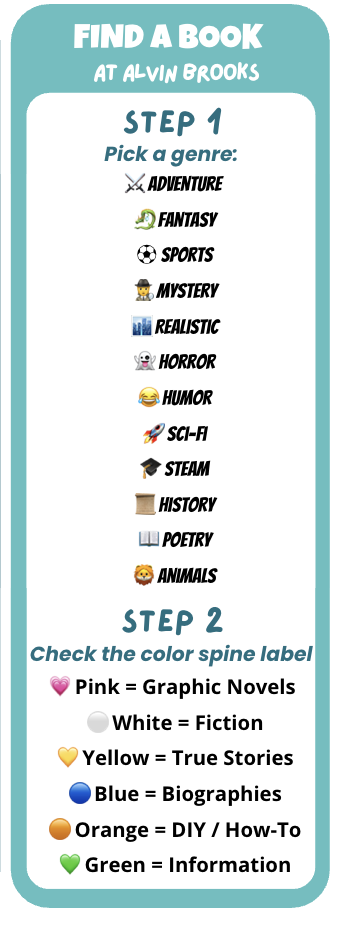
Many students want to read but are not always sure where to start. Finding a book can feel overwhelming when there are so many choices. I created this bookmark to give students a simple, low-pressure way to navigate the collection on their own.
The bookmark helps students think about two things at the same time: genre and format. Using the color-coded spine labels in the library, they can quickly narrow their choices and head to a section that fits what they are in the mood for. It gives them a starting point without limiting their options.
Students use the bookmark during library visits, literacy challenges, and everyday browsing. Over time, they rely on it less as they become more familiar with the layout of the library and more confident as readers. The goal is independence. When students can find books on their own, they are more likely to take risks, try something new, and keep reading.
Library Match-Making: Connecting Students with the Right Book
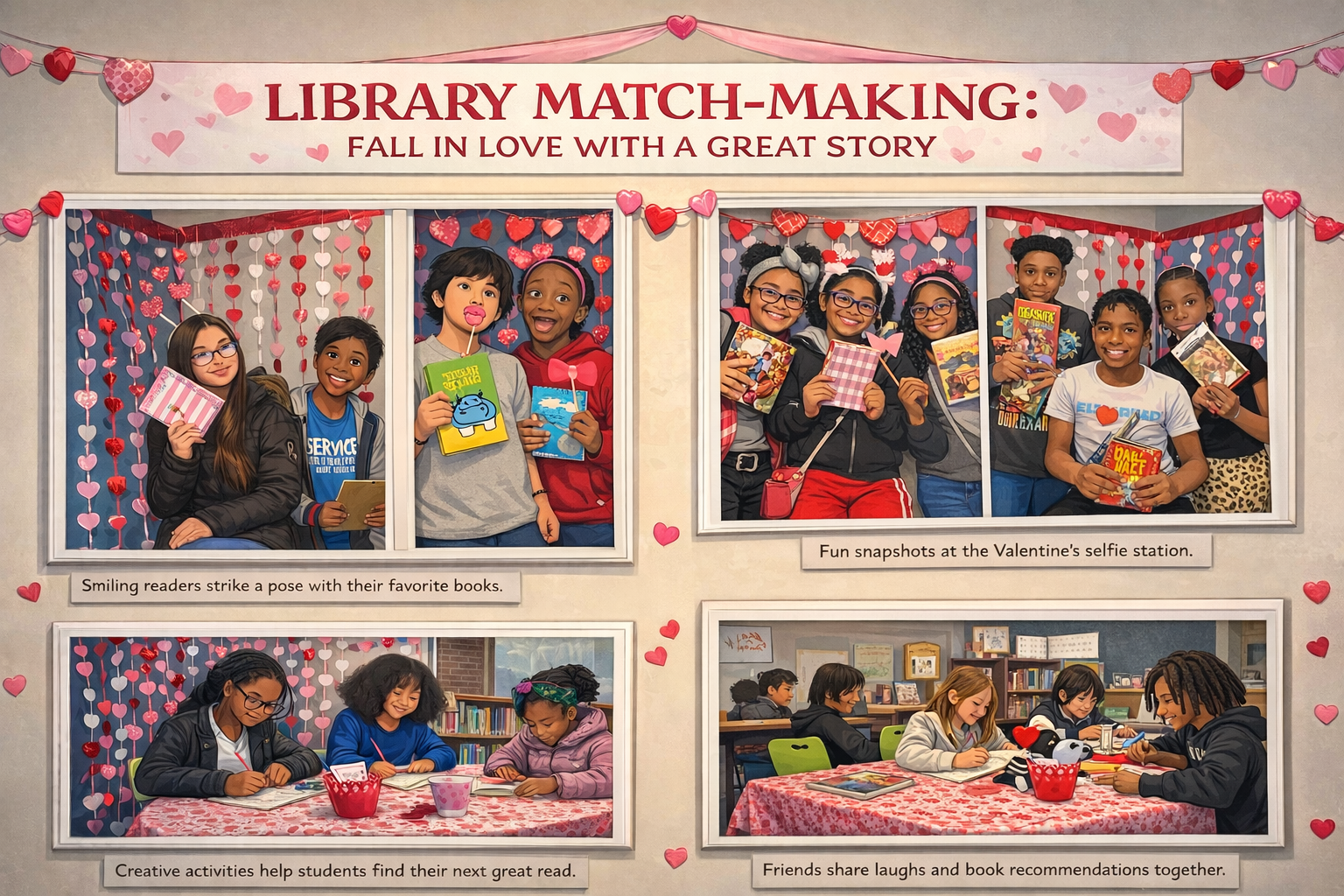
Library Match-Making is a reading experience designed to help students discover books through curiosity, choice, and social connection. Instead of assigning texts or narrowing options, this activity invites students to browse, sample, and respond to books in ways that feel personal and low pressure.
Students explore curated book selections through themed prompts, “blind date” style choices, and conversation with peers. A selfie station and simple visual touches add a sense of celebration and remind students that reading can be shared and enjoyable, not just academic.
Match-Making supports independent reading by helping students build confidence in choosing books for themselves. It often serves as a starting point for reluctant readers, a reset for students in a reading slump, and a discovery space for students ready to try something new.
Book Clubs & Shared Reading Experiences
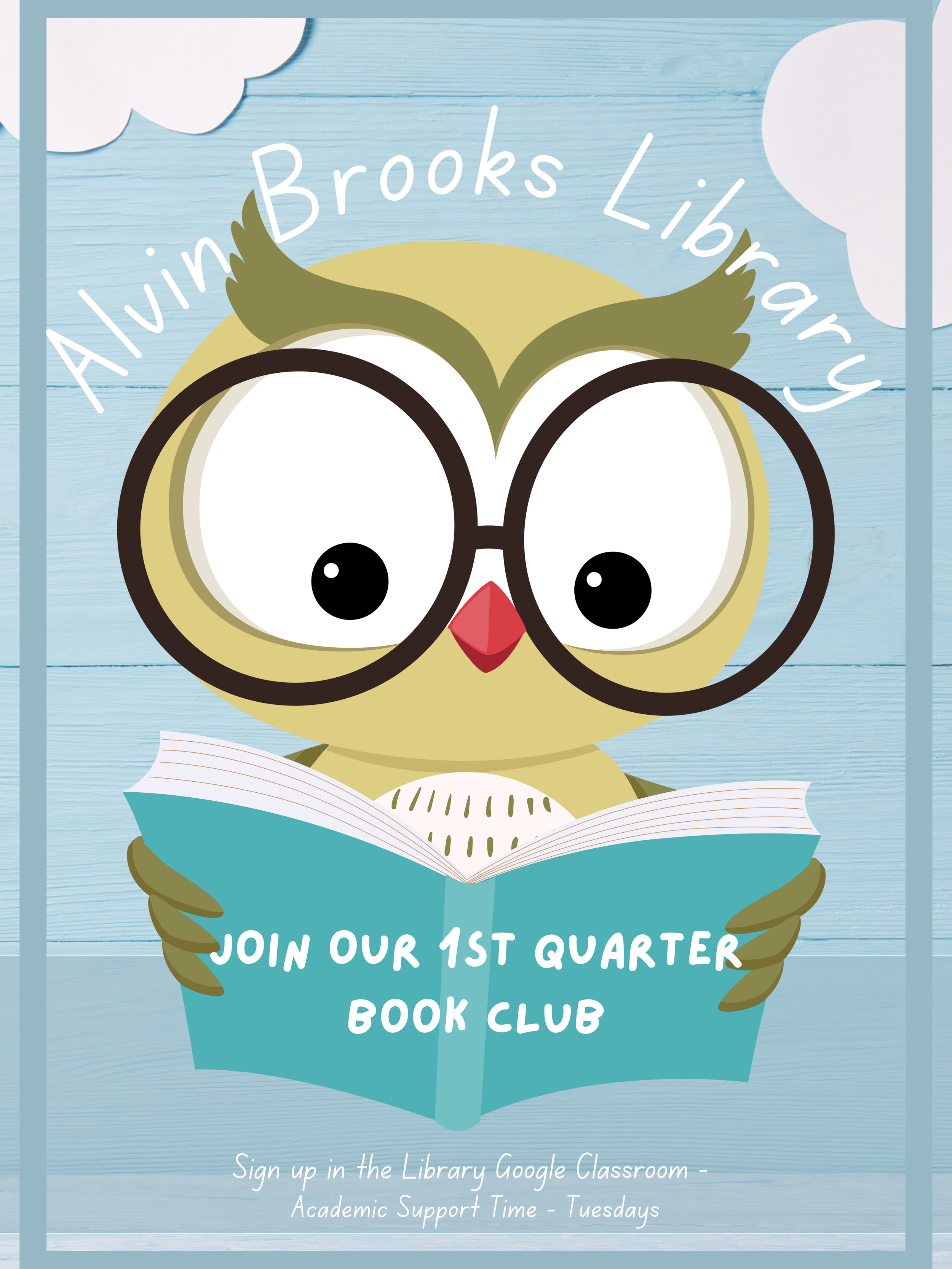

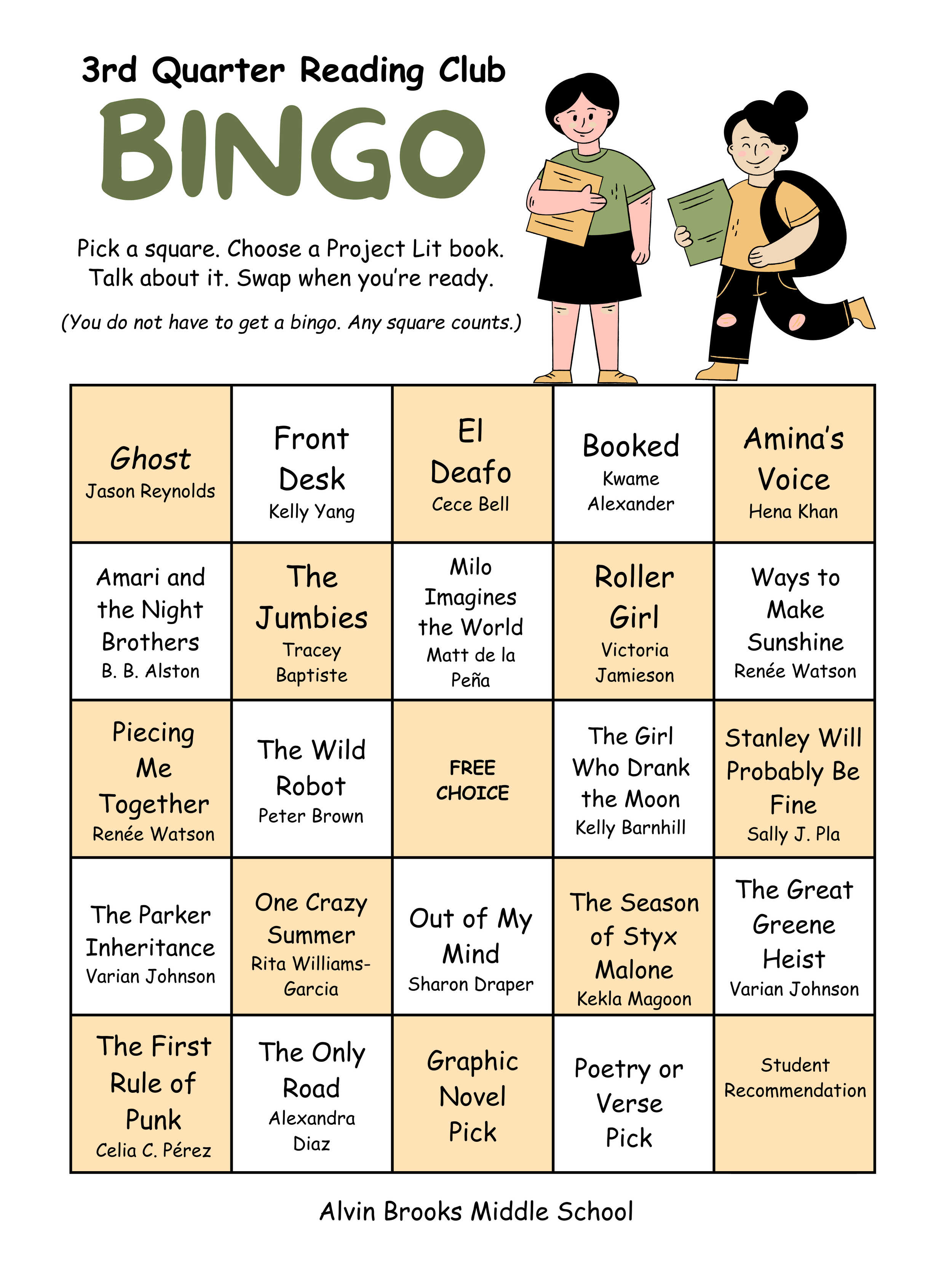
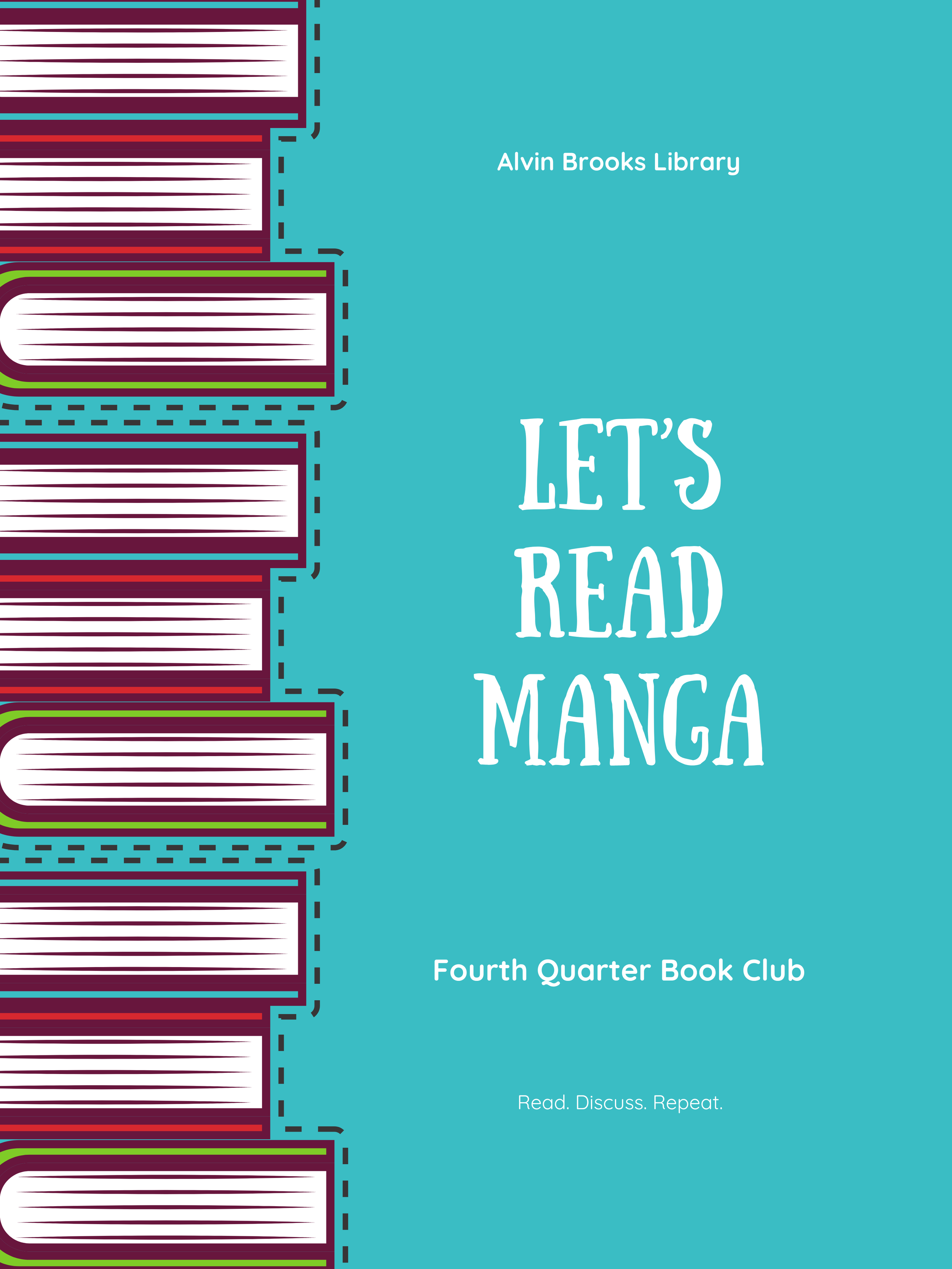
Book clubs in our library usually start with student interest. They begin when students ask to read the same book together, form a small group, or want a place to talk about a story they are enjoying.
Some clubs form around shared themes. Others grow from specific authors, genres, or series. I help students find books, set simple expectations, and decide how they want to meet, but the conversations belong to them. The goal is not a polished discussion. It is helping students learn how to talk about books with others.
Shared reading gives students a reason to keep going and a place to test their thinking. They practice listening, explaining their ideas, and responding to different perspectives. Over time, those conversations become more confident and more thoughtful.
I support book clubs by providing space, time, and access to a range of reading options. Students are encouraged to try something new, step away if a book does not work, and return to reading without pressure.
Book clubs are optional, but the impact is steady. They help students see reading as something social, flexible, and worth continuing.
Family & Community Reading
A strong reading culture starts with students wanting to be in the library. When students are excited to come in, find a new book, notice a display, or discover something unexpected, that energy builds. They talk about what they are reading, bring friends with them, and begin to see the library as a place that feels active and inviting.
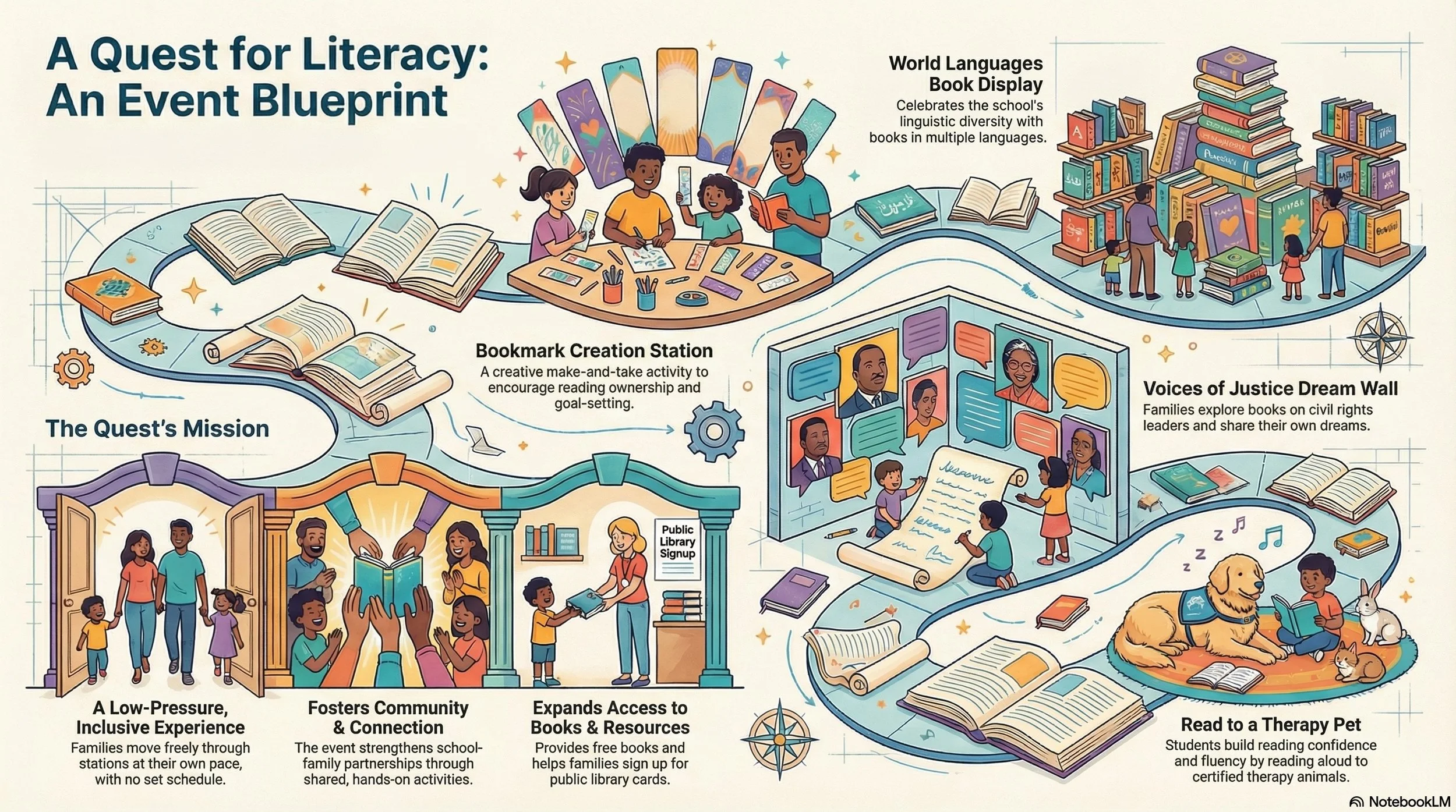
Family literacy events follow that same idea. Instead of scheduled programs or performances, these events are built around choice, curiosity, and low-pressure participation. Families move at their own pace, explore together, and engage with reading in ways that feel natural and accessible.
One example of this approach is Literacy Quest, a family literacy night organized as a series of open, come-and-go stations. Families chose where to begin and how long to stay. Some created bookmarks together, some browsed books, some read aloud in a supported setting, and others spent time talking about stories and ideas. A Voices of Justice station connected the event to Martin Luther King Jr. Day through literature and reflection, giving families a space to read, think, and respond together.
These experiences show how reading culture can extend beyond the school day. When students associate reading with discovery, choice, and enjoyment, families are more likely to join in. The library becomes a place students want to return to and a space families recognize as welcoming and meaningful.