Makerspace Mondays
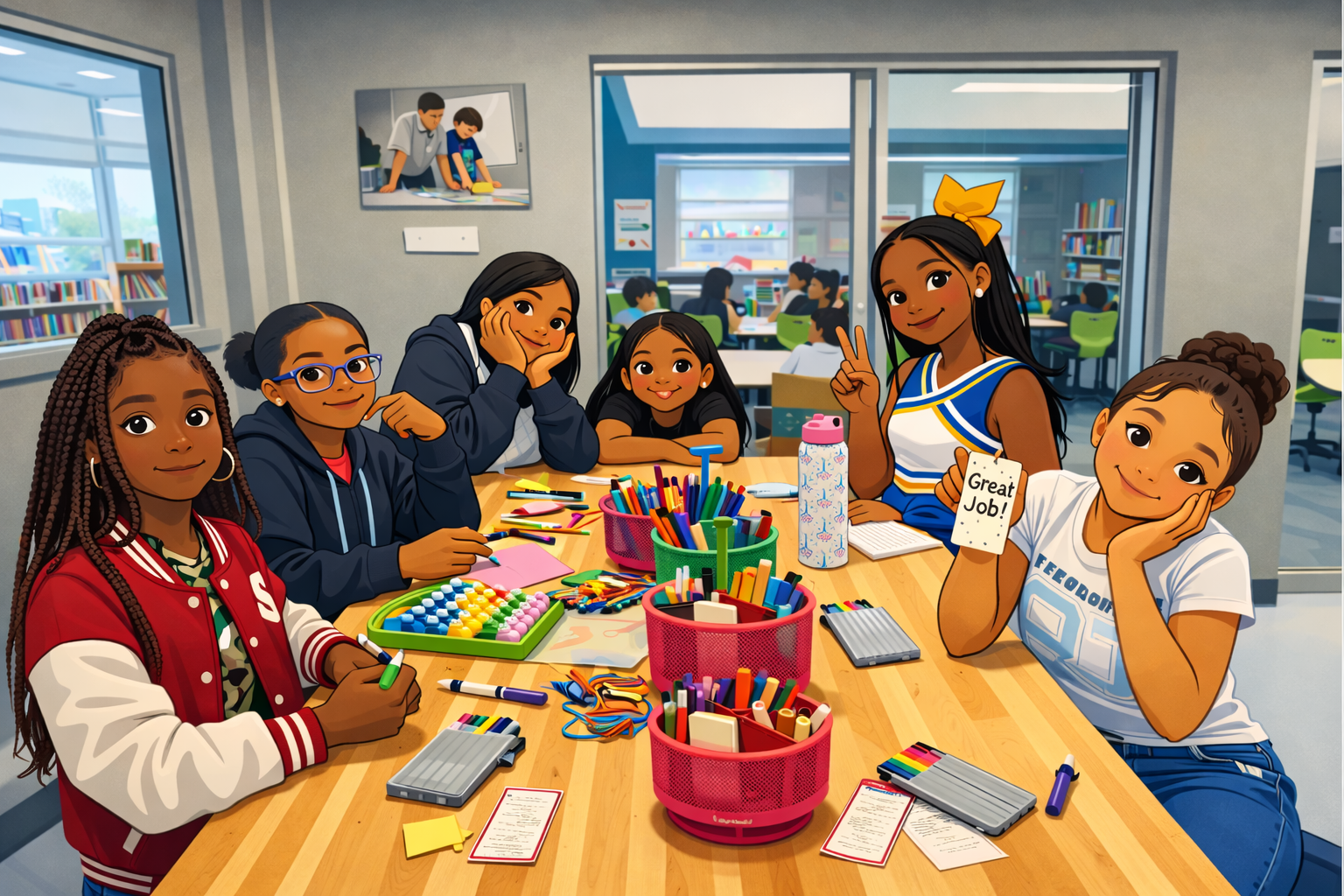
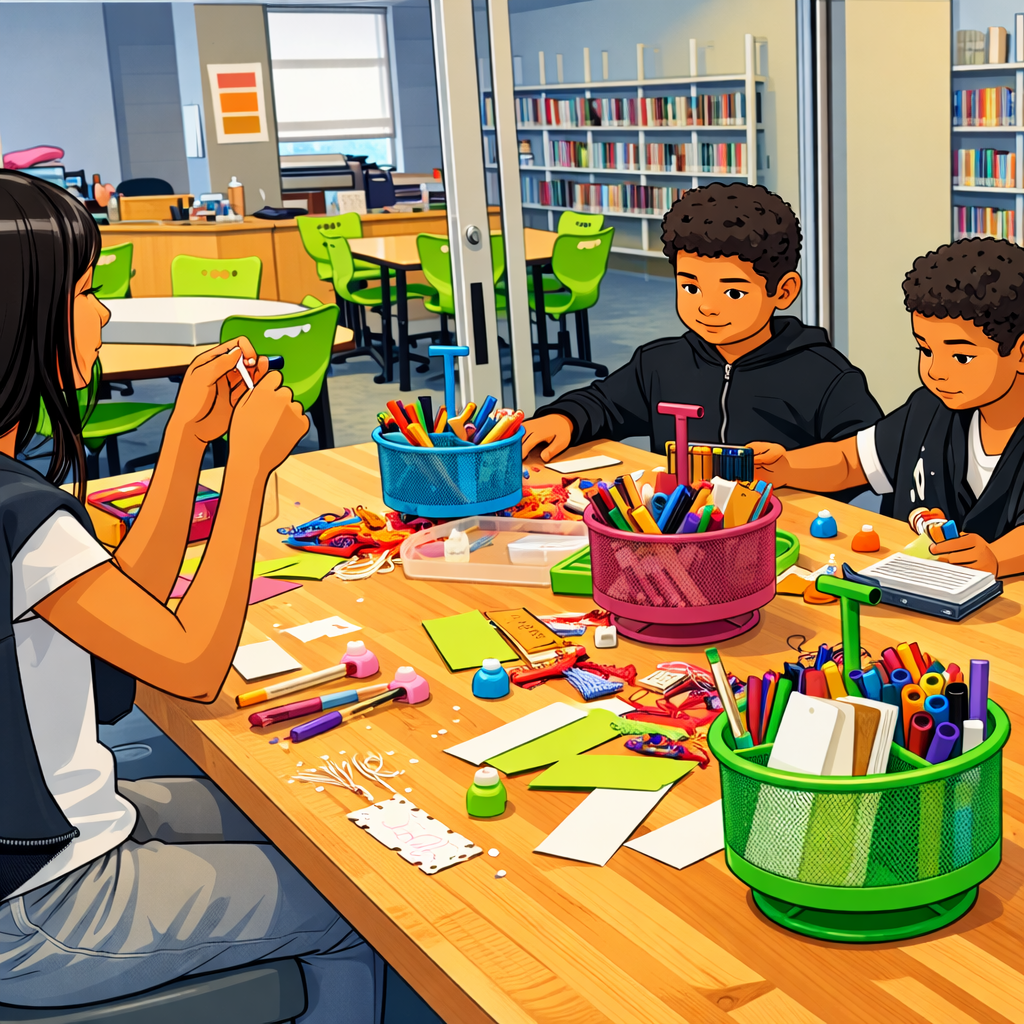
Makerspace Mondays are optional learning experiences designed to extend literacy, engagement, and student agency beyond scheduled class time. They are intentionally connected to reading, PBIS, and independent learning goals, rather than functioning as stand-alone rewards.
Access to Makerspace Mondays is structured across the school year through different pathways that connect reading, behavior, and skill development to hands-on learning in consistent ways.
In Quarter 1, students qualified by completing a book of their choice from the library. There were no restrictions on genre, format, or reading level. Choice and access supported reading engagement and stamina.
In Quarter 2, students earned access through PBIS incentives or completion of i-Ready goals, reinforcing effort, persistence, and responsible behavior.
In Quarter 3, students qualified through independent literacy challenges available to all students in Google Classroom. This allowed flexible pacing and multiple entry points for participation.
In Quarter 4, students earned access through structured STEAM design challenges in the makerspace. These projects emphasized planning, problem-solving, and refinement, with clear goals and timelines. Students applied skills introduced throughout the year while still maintaining voice and choice.
Using different pathways ensures that access is not tied to a single metric. Students can participate through reading, effort, behavior, or independent work. This reinforces the idea that learning happens in different ways and at different times.
Because Makerspace Mondays are optional and grant-funded, they function as an enrichment layer rather than the only opportunity for hands-on learning. Core classes, PLTW, art, and collaborative instruction regularly use the makerspace during the school day, ensuring that all students experience making, problem-solving, and creative work within instruction.
During Makerspace Mondays, students practice:
design thinking and planning
collaboration and communication
creative problem-solving
responsible tool use
Over time, these experiences help students build confidence as learners and makers while strengthening the literacy and self-management skills that carry back into the classroom.
Equity, Access, and Low-Floor Entry
Equity in the makerspace begins with design. Activities are planned with low-floor entry points and flexible options so students can participate in ways that make sense for them, regardless of prior experience, confidence level, or language proficiency.
Clear routines and visual modeling help students know what to expect and how to get started. This reduces language and confidence barriers before students ever touch materials.
The focus stays on process rather than a finished product. Students are encouraged to try, revise, and problem-solve without pressure to get it right the first time. This creates space for students who may hesitate to jump into technical or language-heavy tasks and allows creativity and thinking to take the lead.
Choice is another important part of access. Students select materials, approaches, and outcomes that play to their strengths while still pushing their thinking forward. Making is framed as participation, persistence, and learning, not technical perfection.
Designing the makerspace this way helps students feel comfortable taking risks, asking questions, and sharing ideas. It supports an environment where all students can engage meaningfully and see themselves as capable learners and makers.
Student Makerspace Experiences
Makerspace experiences vary throughout the year and are designed to provide multiple entry points for students with different interests, strengths, and levels of confidence. Activities are selected based on instructional purpose rather than tools alone, with an emphasis on thinking, problem-solving, communication, and reflection.
Students are guided through planning, making connections to prior learning, exploring ideas from multiple perspectives, revising their work, and reflecting on outcomes. The focus remains on learning transfer and growth rather than completing a product.
Over time, students begin to approach new materials and challenges with more independence, confidence, and willingness to experiment. These experiences help students see making as a way to think, learn, and express ideas, not simply as a task to finish.
Examples of Makerspace Learning
Design and Communication
Students engage in digital design and visual communication through projects such as infographics, posters, and other media that require them to organize information, make design choices, and communicate ideas clearly.
Engineering and Problem-Solving
Low-tech, hands-on challenges using materials such as duct tape, paper, and simple construction tools encourage students to plan, test, revise, and persist. These activities emphasize iteration, collaboration, and creative problem-solving.
Technology and Wearable Projects
Students explore introductory circuitry and wearable technology, including micro:bit-based projects, to investigate how technology can be used to solve problems and communicate information in meaningful ways.
Fabrication and Iterative Design
Through 3D design and printing, students experience the full design cycle from initial idea to revision and improvement. Emphasis is placed on testing, feedback, and refining designs rather than producing a single finished object.
Creative Expression and Connection
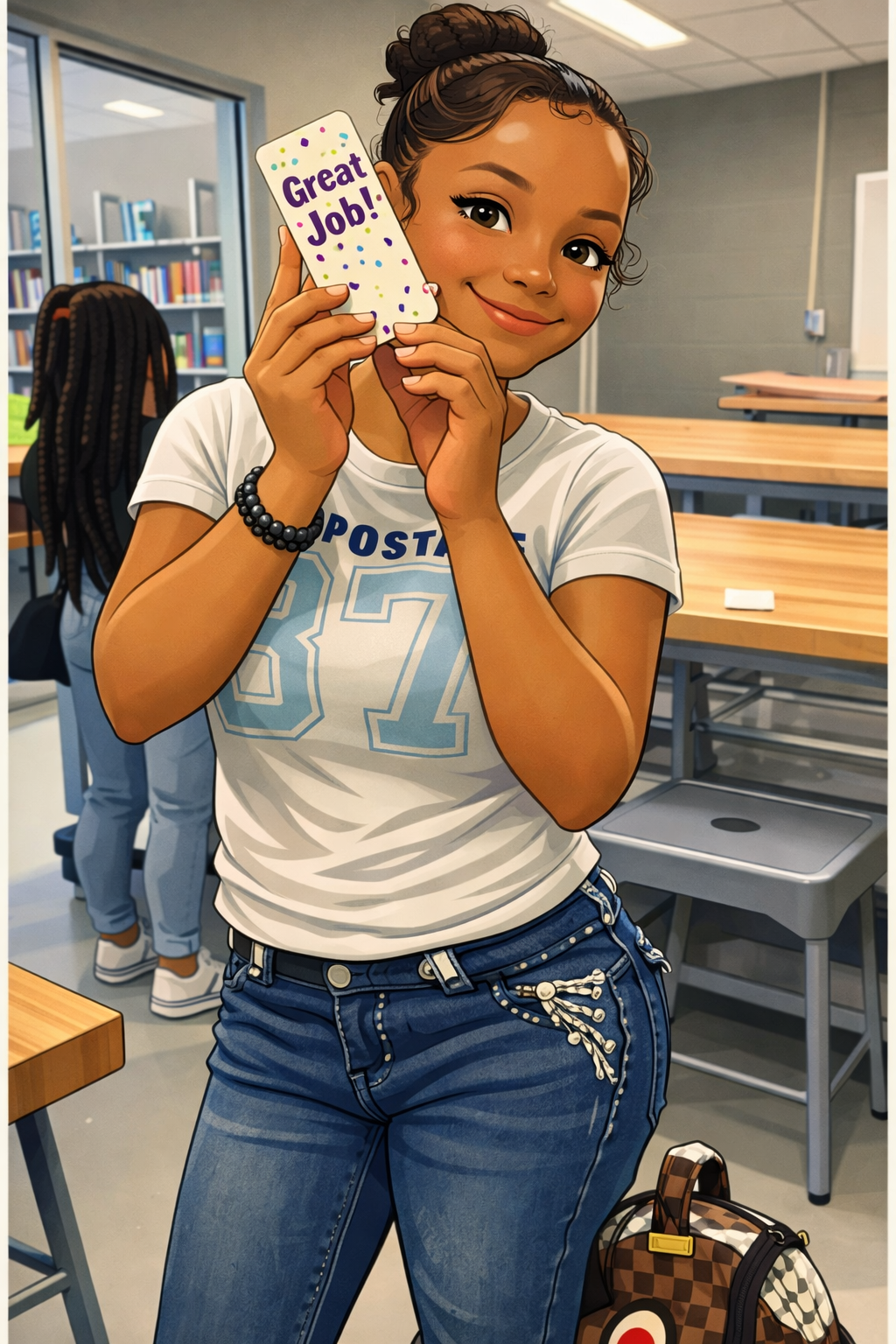
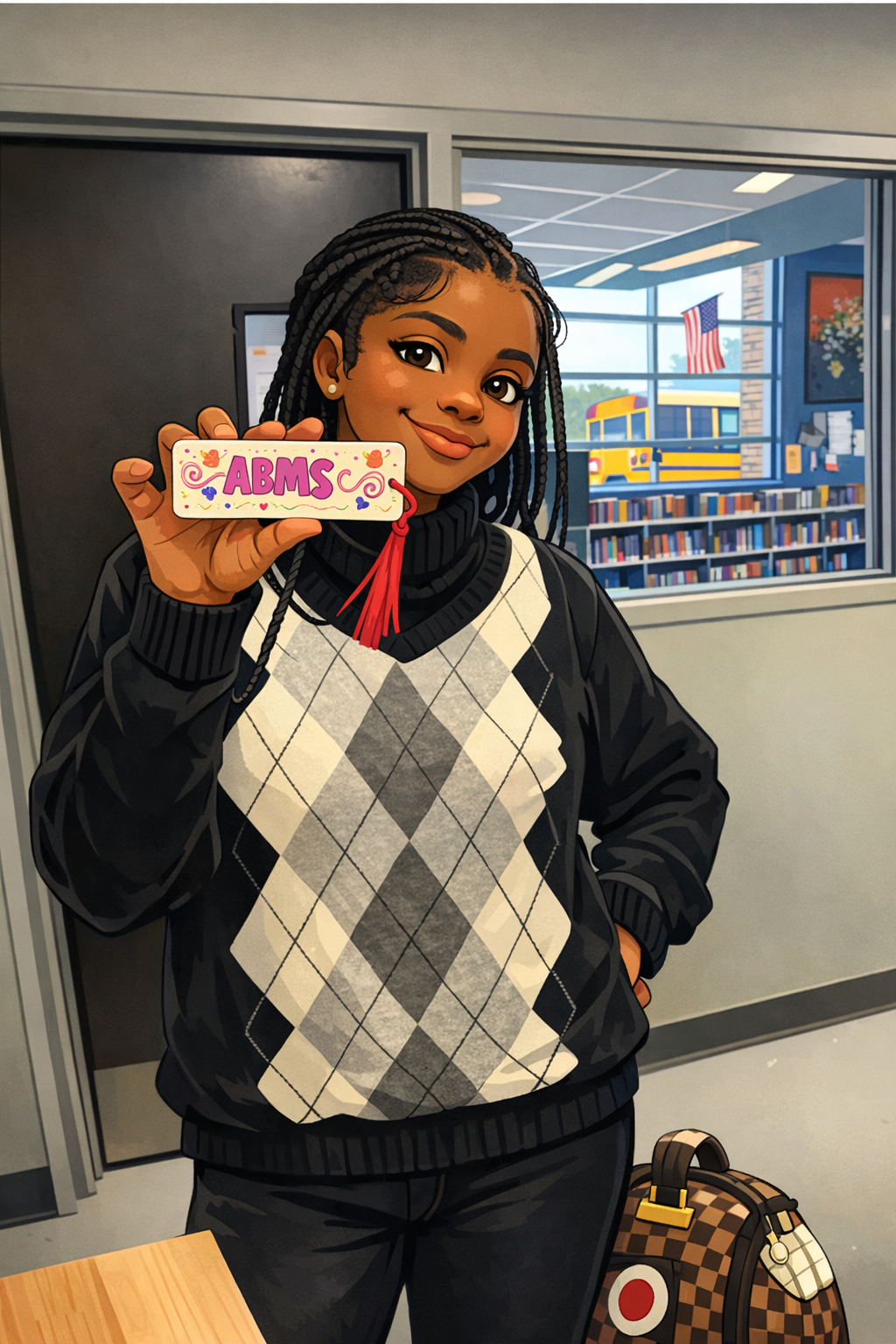
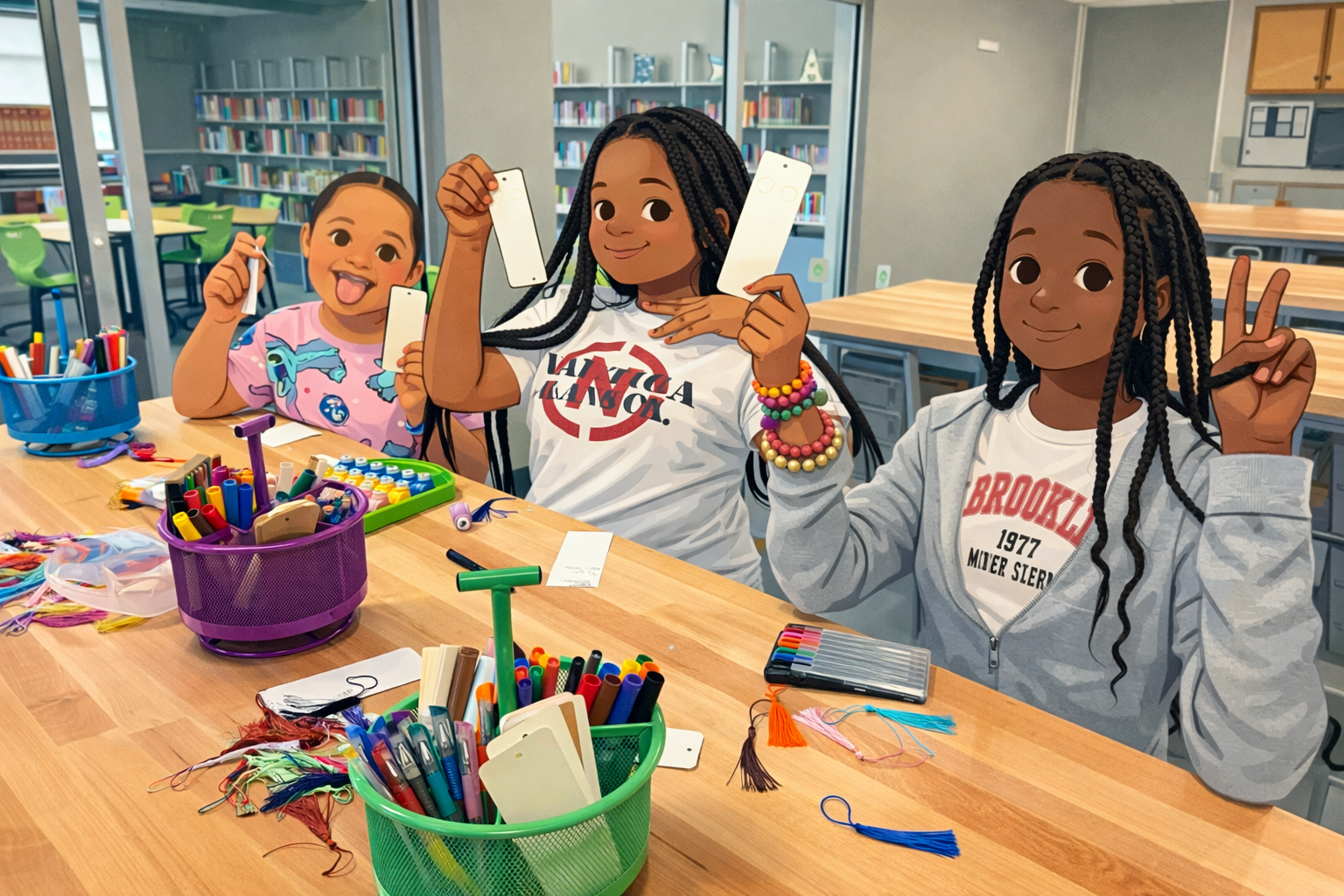
Activities such as paper crafts and friendship bracelet projects provide accessible entry points that support creativity, focus, and collaboration while reinforcing that making and learning can take many forms.
Wearable Technology & Human Data (micro:bit)
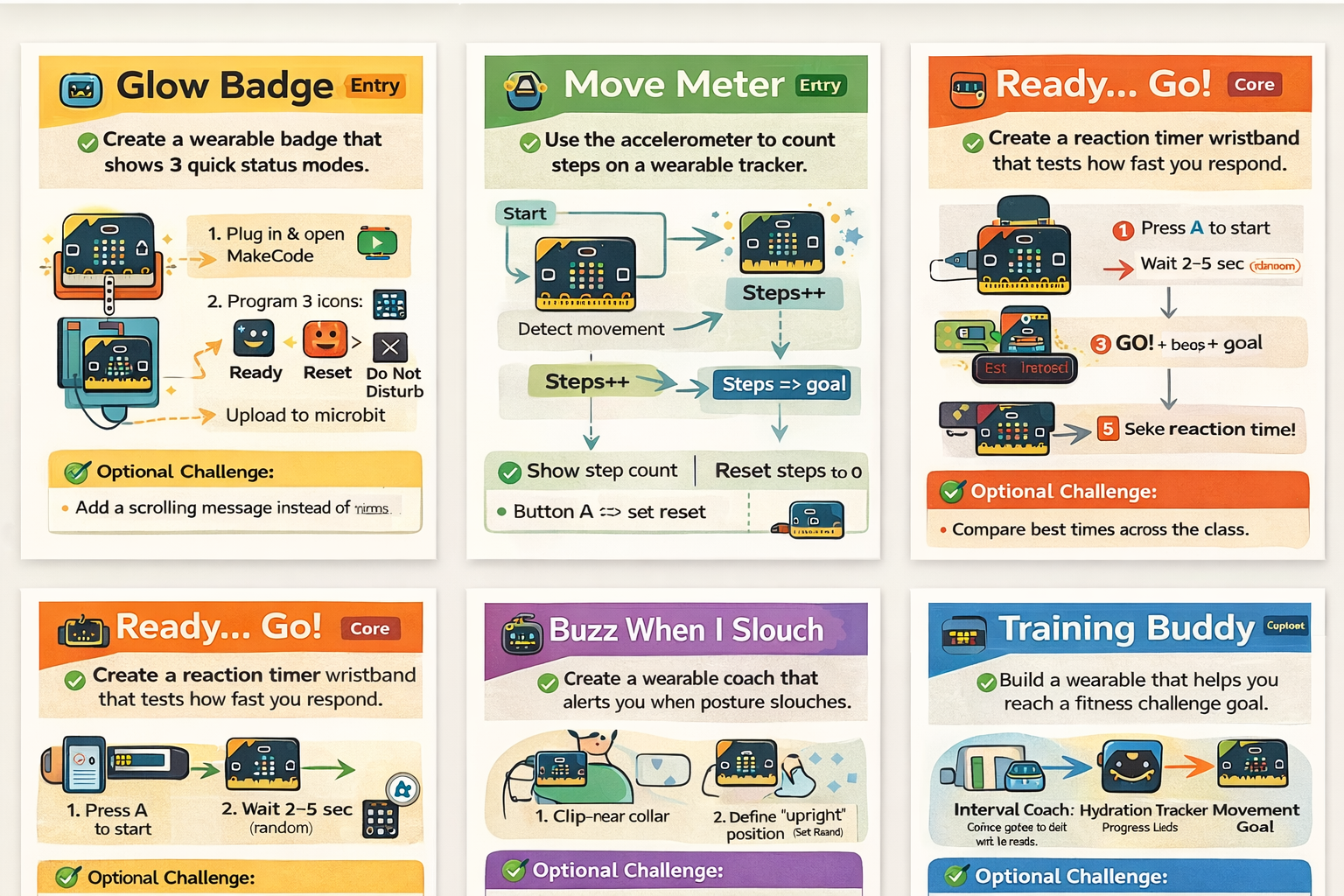
Students design and code micro:bit wearable devices, building skills through projects focused on movement, reaction time, posture, and personal goal-setting.
This multi-level wearable technology project demonstrates how the makerspace supports authentic, data-driven learning through physical computing and iterative design. Students progress from simple input/output challenges to user-centered wearable solutions while building computational thinking and problem-solving skills.
Designed as a reusable instructional system, the project includes student task cards, visual scaffolds, and a teacher facilitation guide that support consistent implementation across classrooms.
Instructional Design and Learning Focus
During makerspace learning, my role is to structure the experience so students know how to begin, how to keep going when something doesn’t work, and how to reflect on what they are learning.
Students are supported in breaking ideas into manageable steps, making connections to prior learning, and thinking through multiple possible approaches before jumping to a solution.
As they work, I guide students to examine their ideas, respond to feedback, and adjust their thinking. This helps students move beyond trial-and-error and into more intentional problem-solving.
Discussion, reflection, and revision are built into the process so students learn how to transfer these habits into other learning situations.
Innovation, Partnerships, & Special Projects
Innovation in the library is driven by purpose, not novelty. I look for meaningful opportunities that connect student access, strengths, and interests to real-world experiences.
Because district funding for makerspace materials is limited, many of the tools and resources in the Library & Innovation Center have been made possible through grants, donations, and partnerships. These opportunities allow students to explore wearable technology, fabrication, design challenges, and hands-on problem solving that would otherwise be out of reach.
Partnerships with local organizations, STEM professionals, and educational institutions extend learning beyond the school walls. Students see how problem-solving, engineering, and creative thinking apply in real contexts while reinforcing the literacy and inquiry skills they practice in class.
Special programs such as student STEM competitions, design challenges, and conferences provide authentic settings for collaboration, communication, and perseverance. These experiences are intentionally connected back to classroom learning and library instruction so innovation remains grounded in thinking, reflection, and revision.
The makerspace is also used regularly during the school day by PLTW, art, and content teachers across the building. Optional enrichment opportunities, such as Makerspace Mondays, function as an added layer rather than the only access point.
Through strategic use of grants, partnerships, and special programs, the library becomes a place where literacy, inquiry, and hands-on learning come together in sustainable ways.